
A Community United: Bringing Free Soil Testing to the Pacific Palisades
As we approach one year since the January 2025 fires, countless LA County families are still searching for answers about the safety of their soil. The need remains urgent, with nearly 30% of survivors seeking soil testing but still facing obstacles that keep it out of reach.
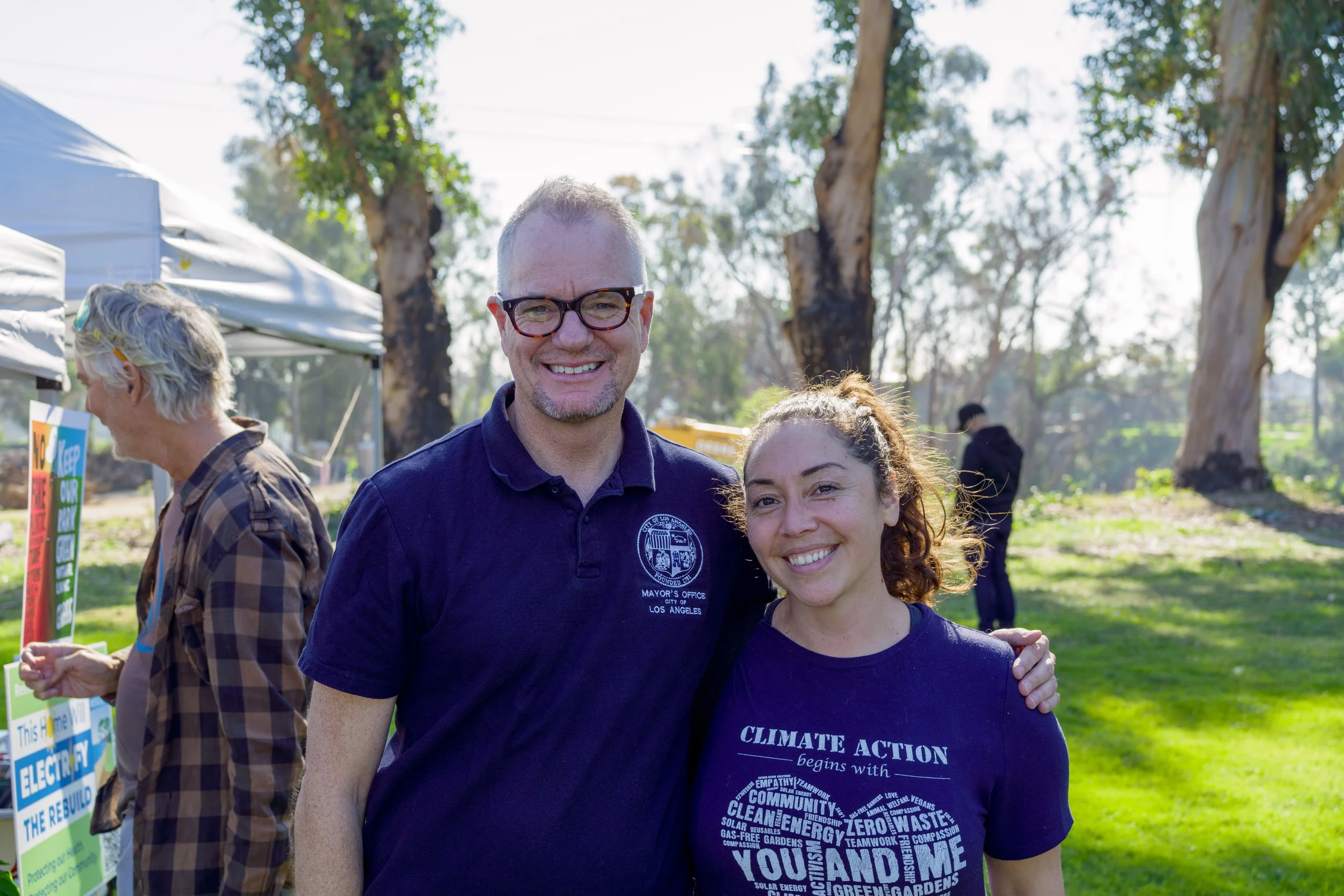
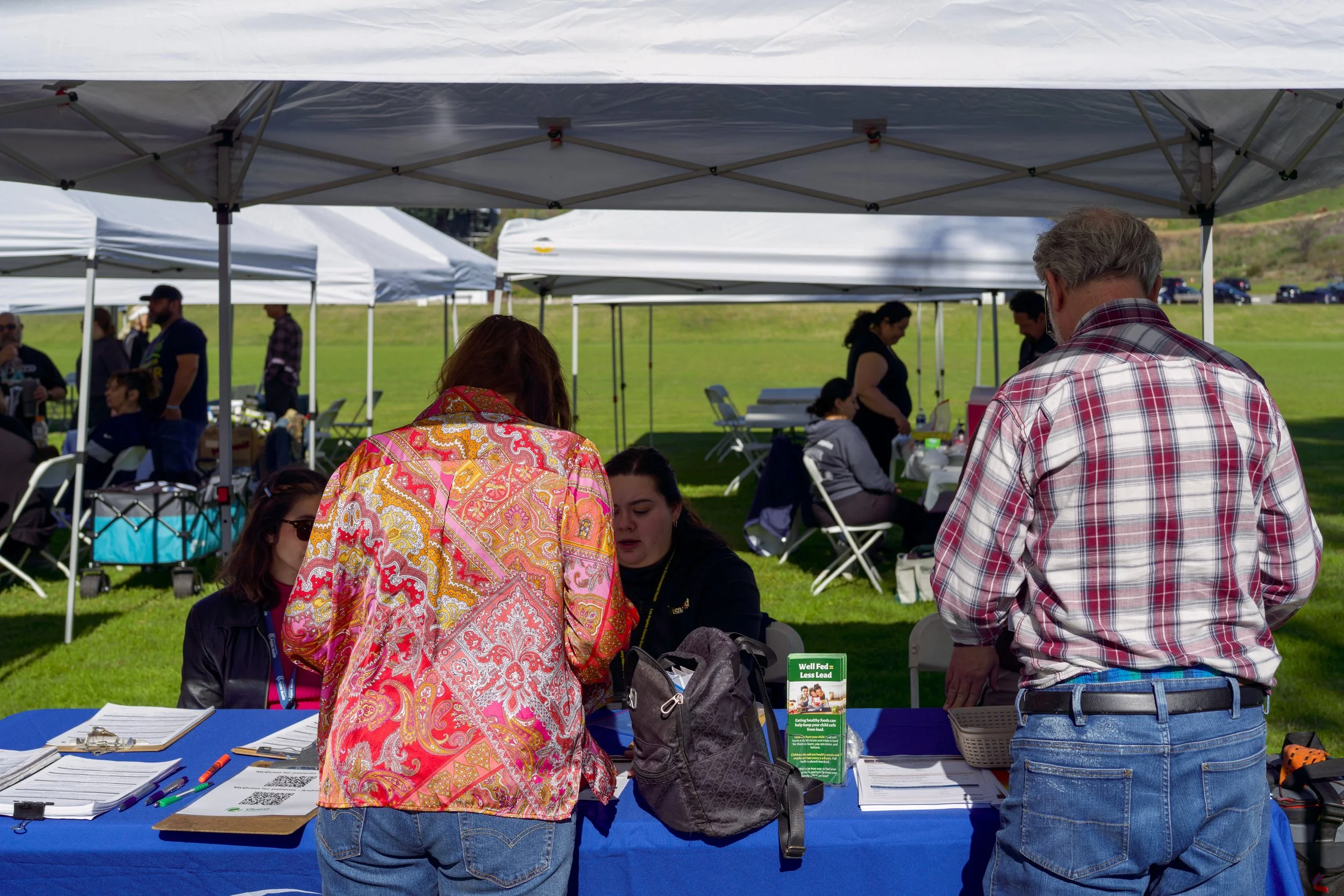
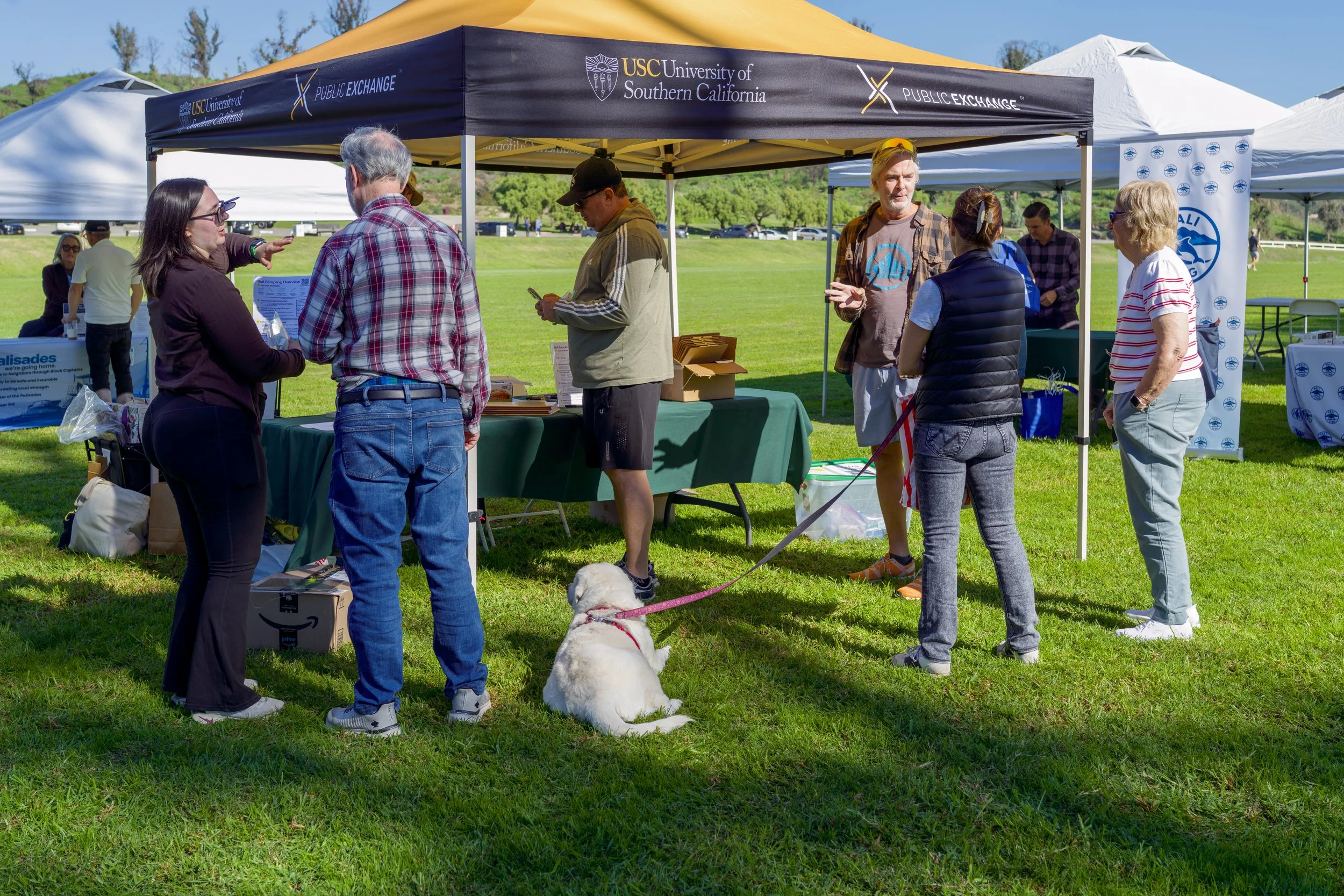
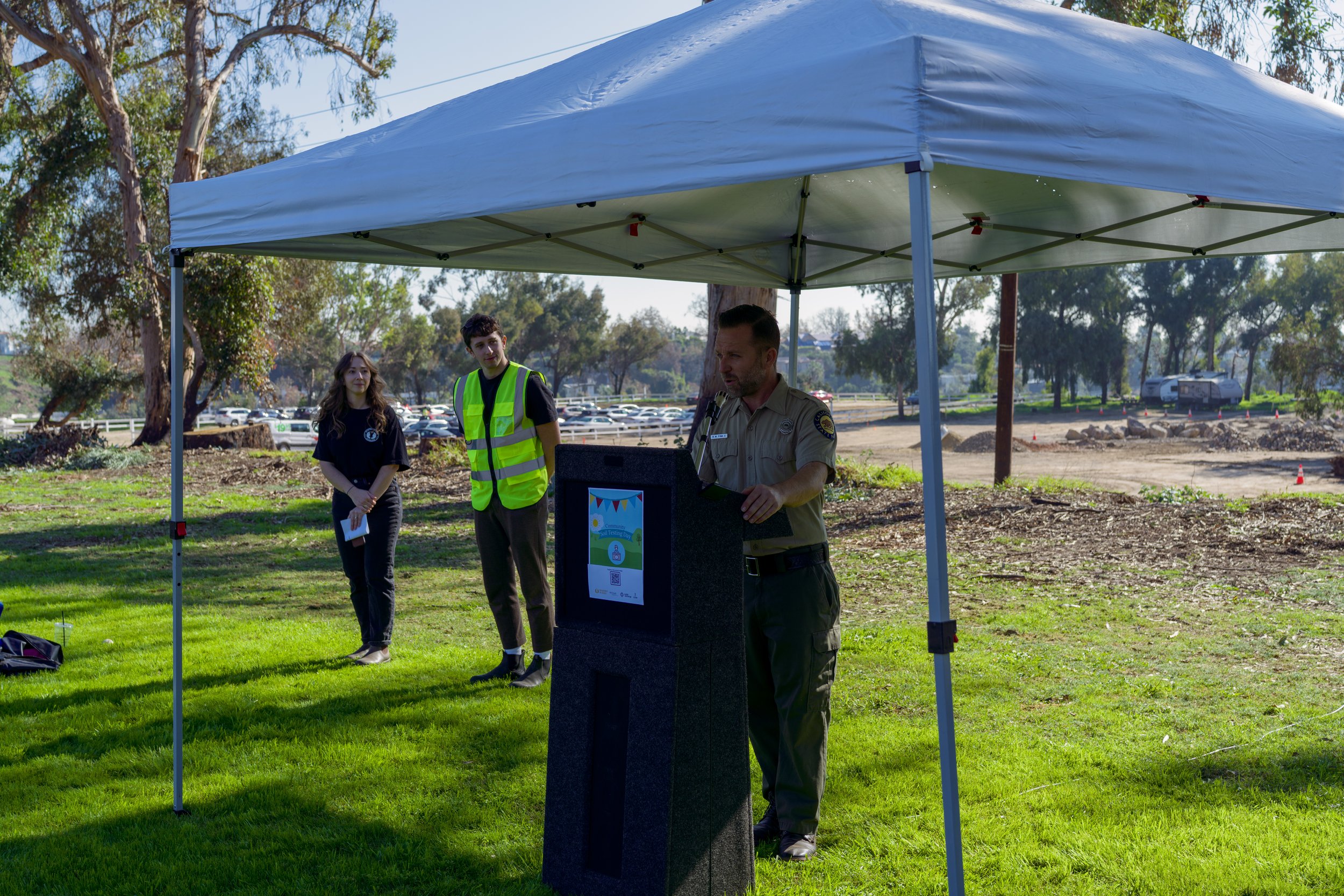
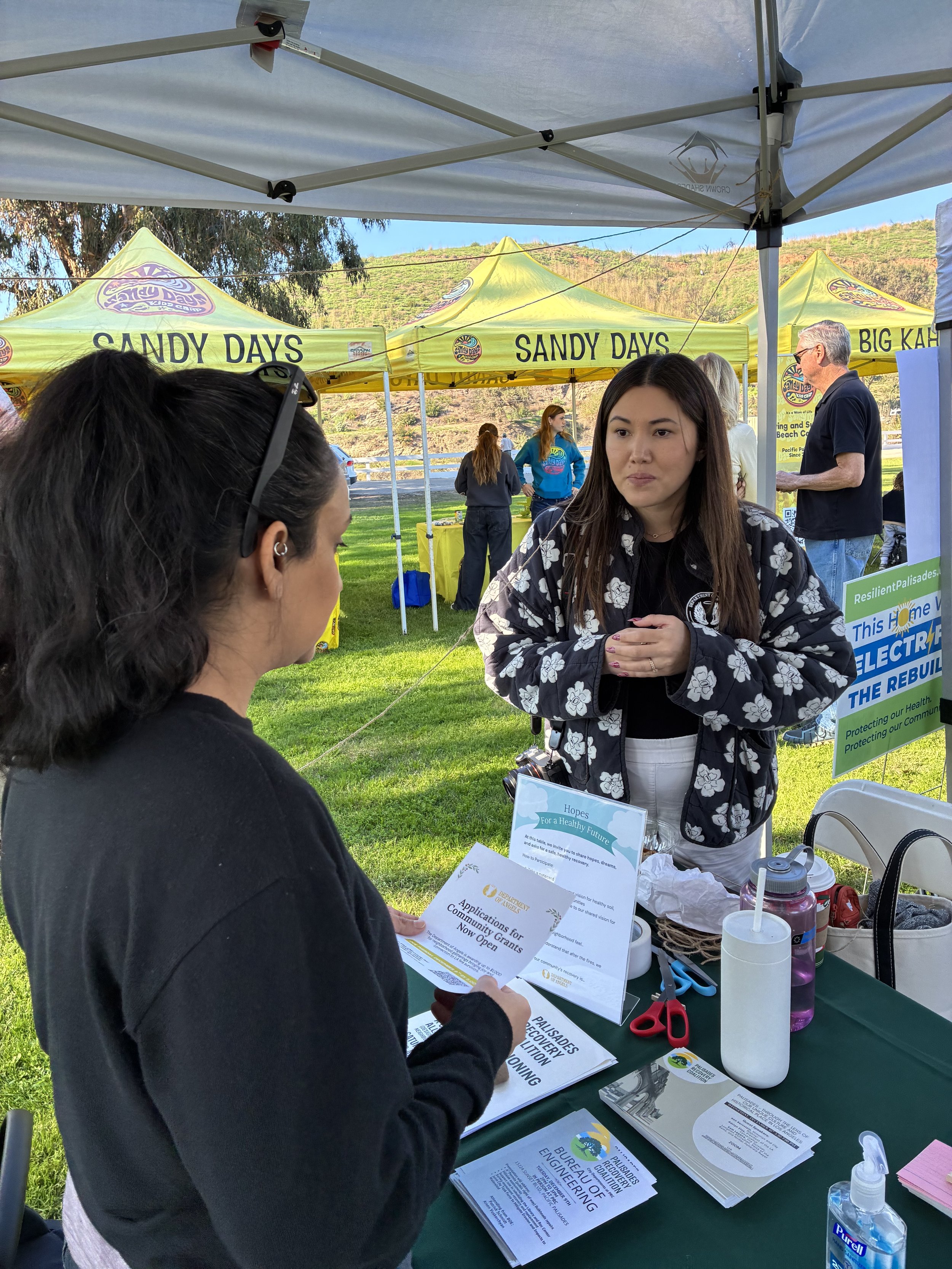
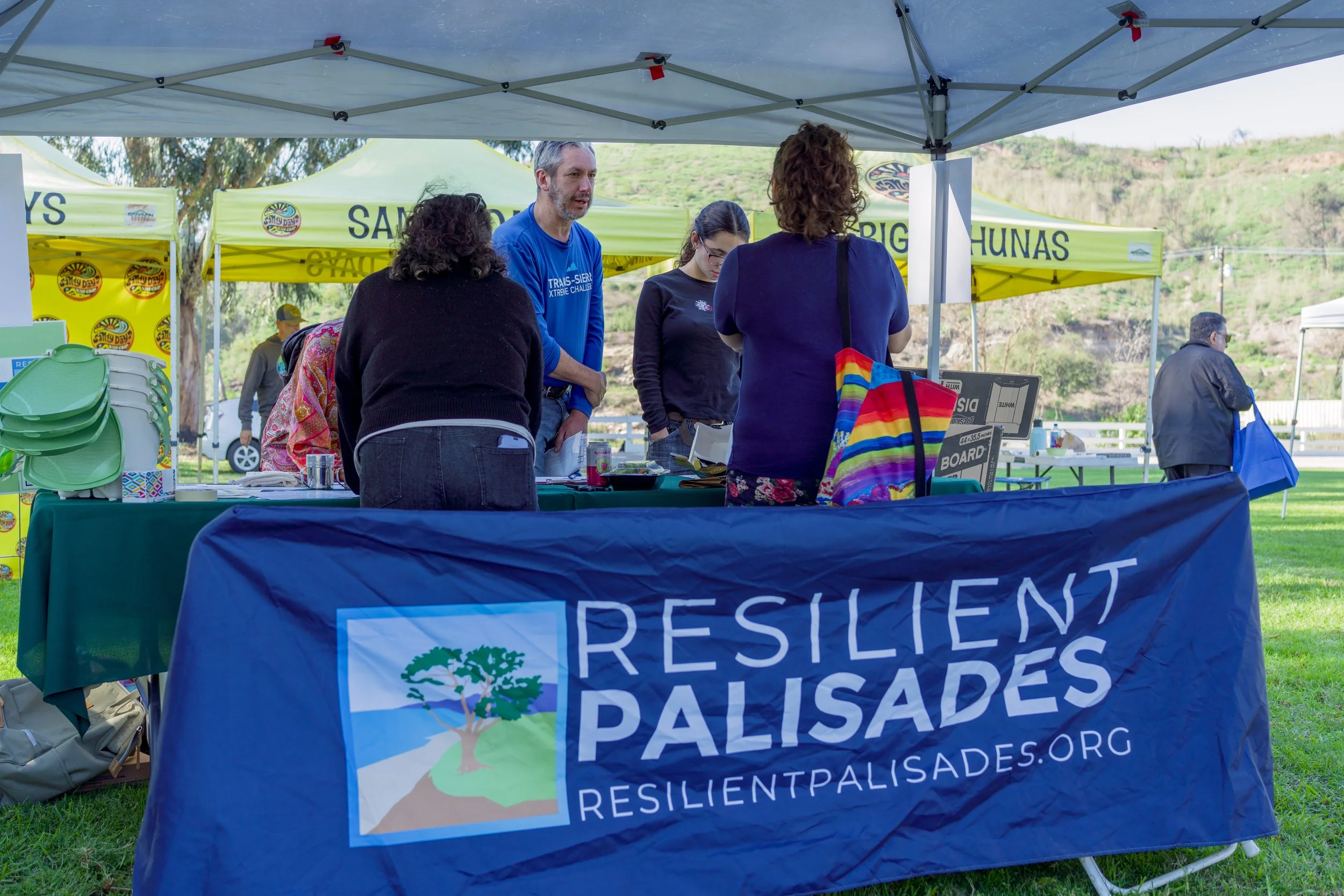
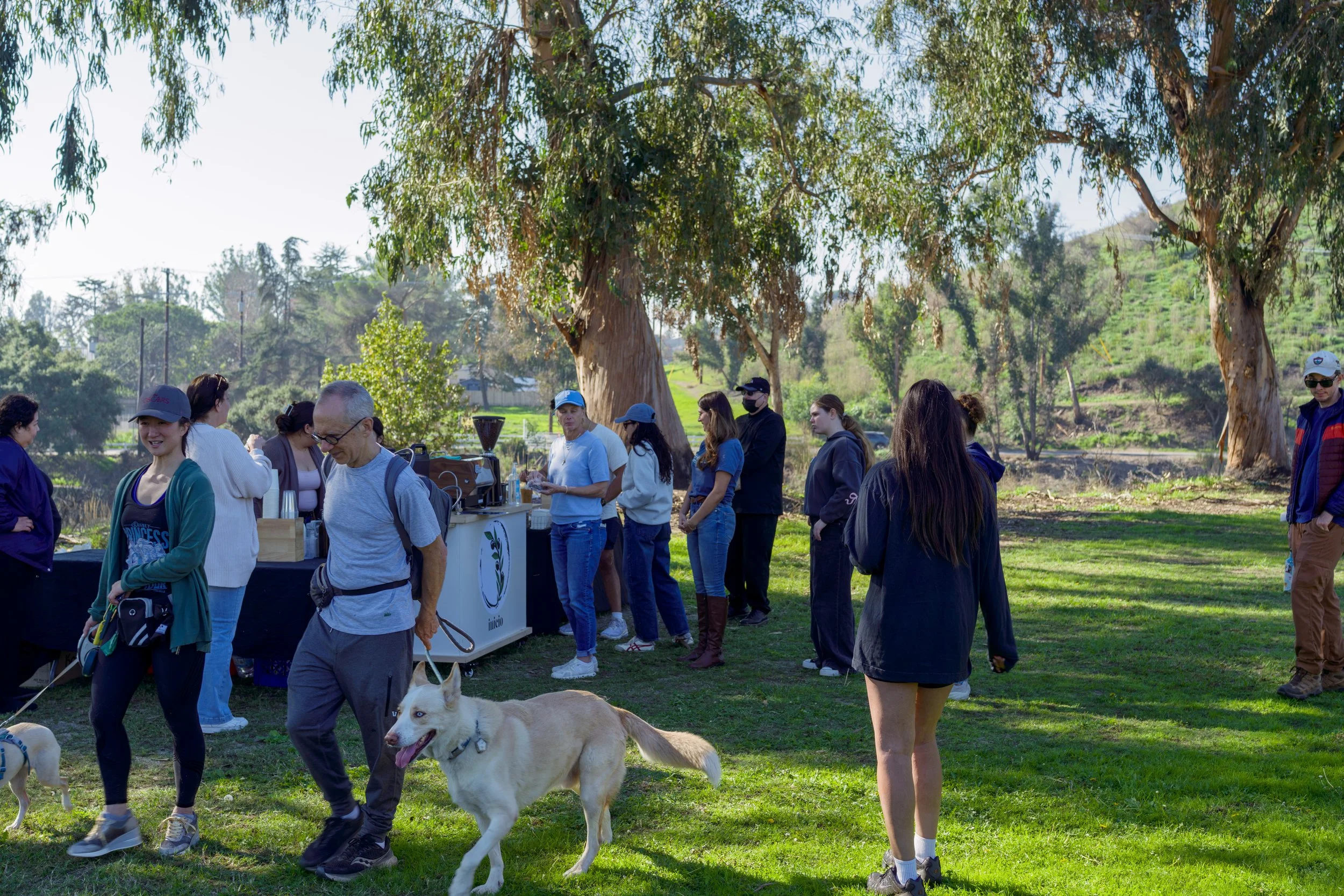
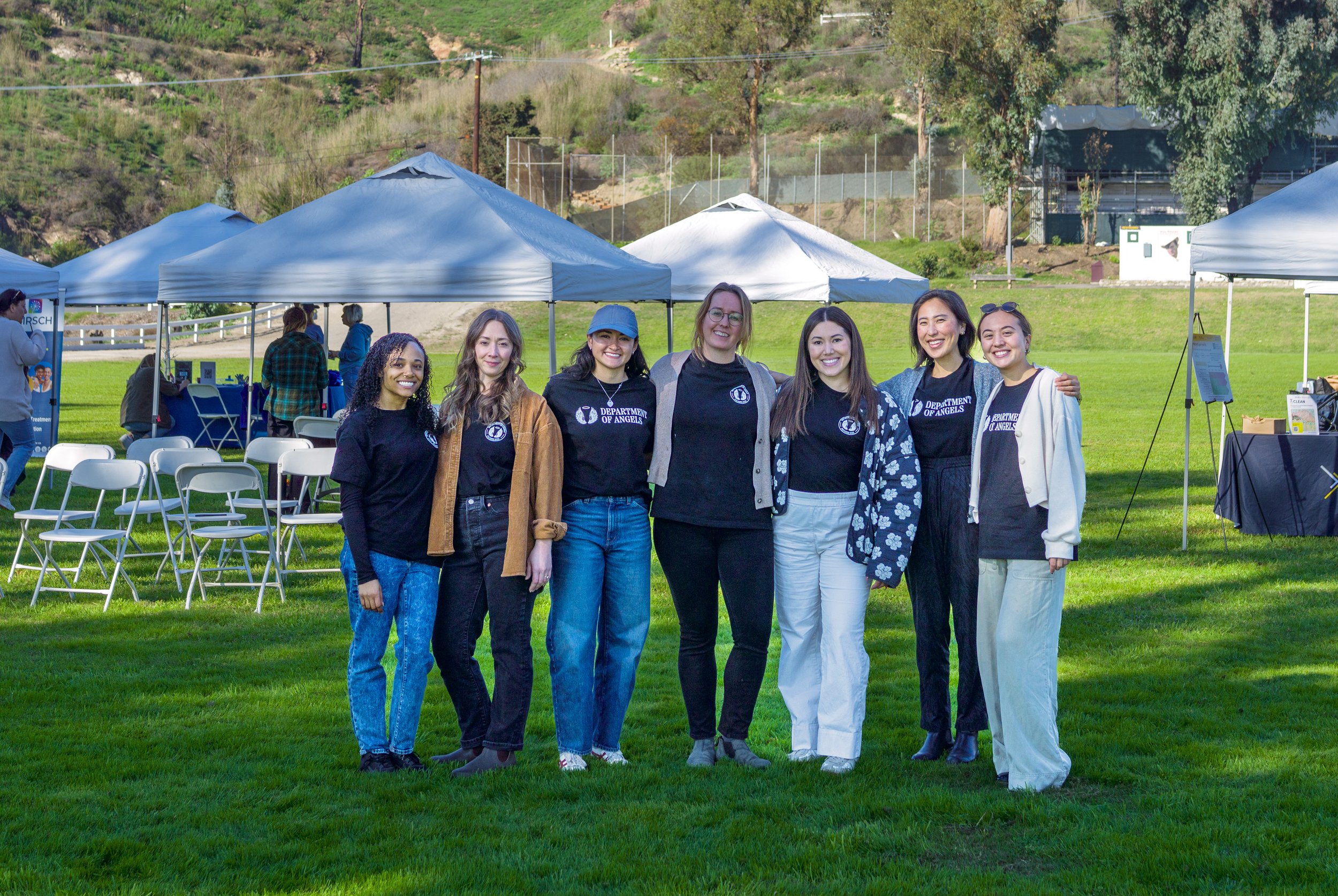
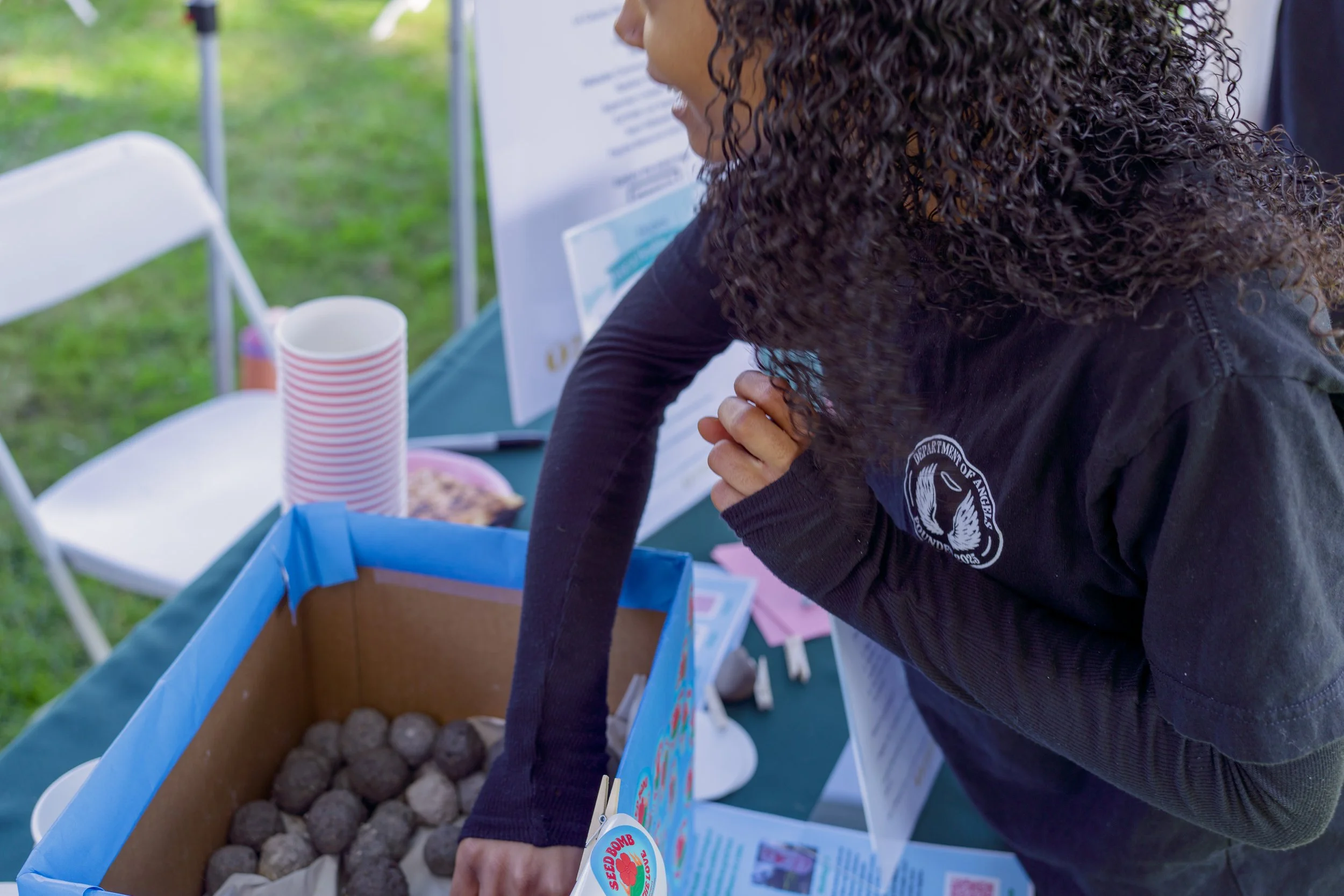
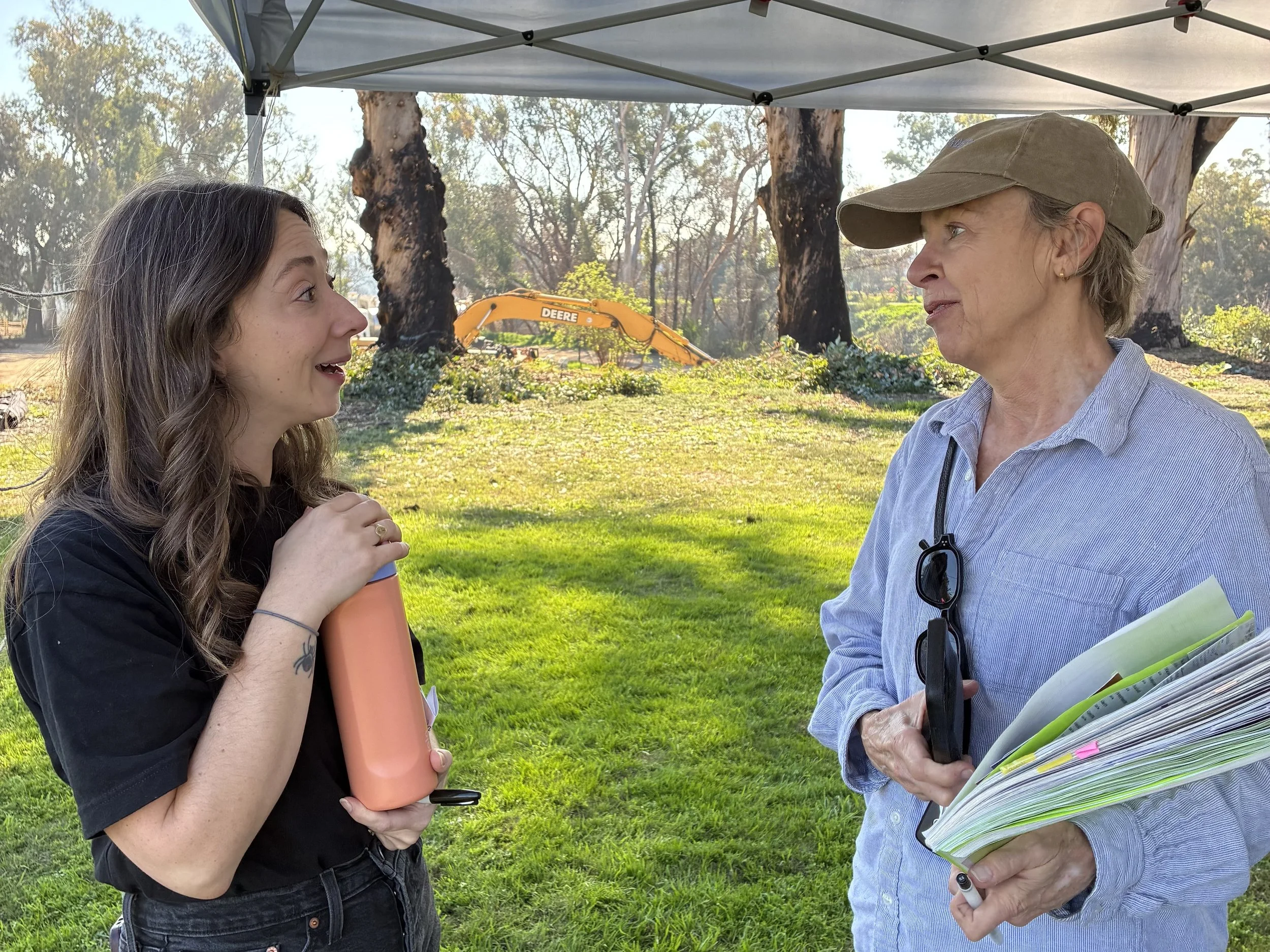
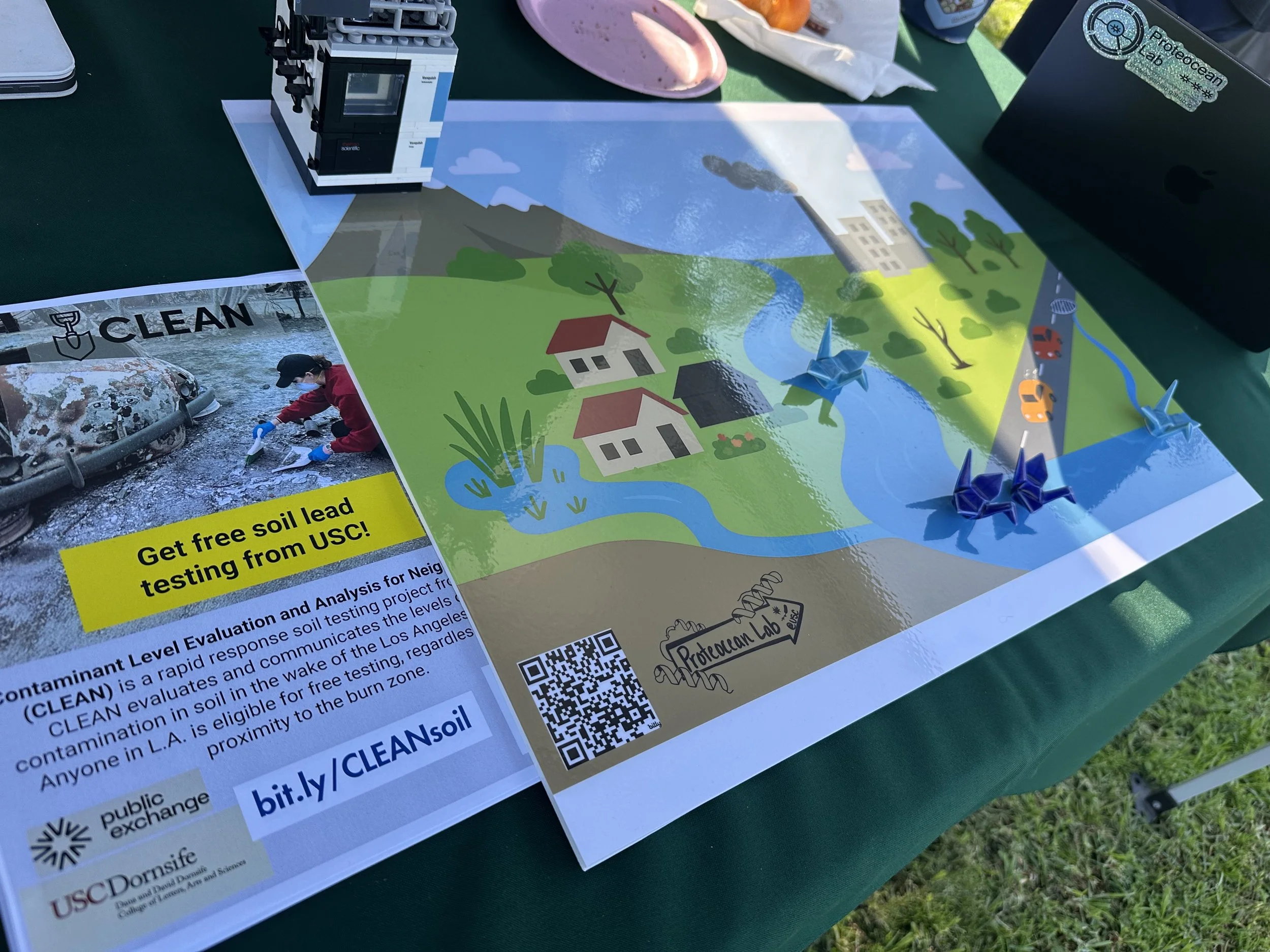
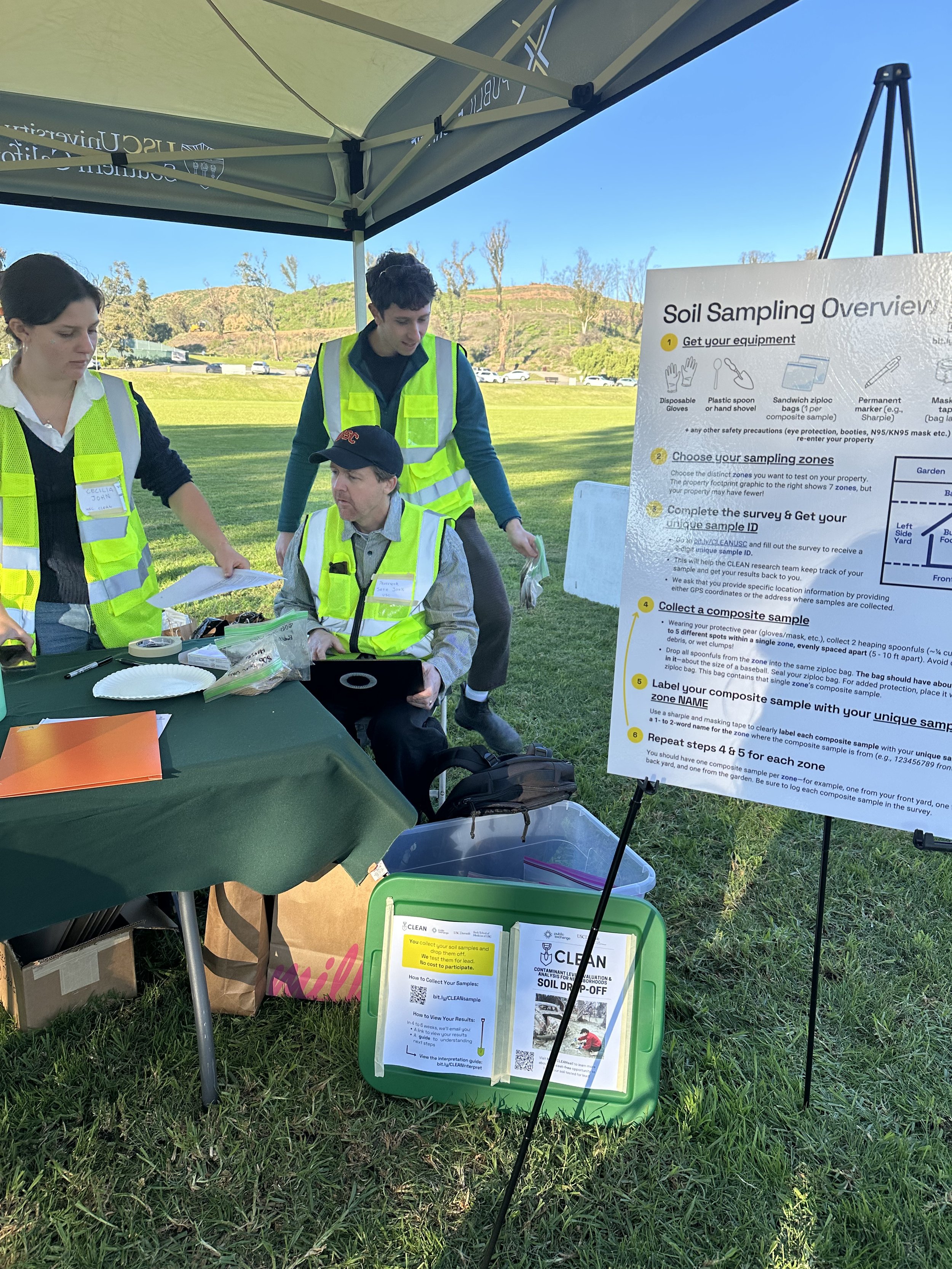
This past weekend, the Department of Angels and USC CLEAN Project hosted a free Community Soil Testing Day and resource fair at Will Rogers State Historic Park. Supported by California State Parks, the LA County Department of Public Health, Supervisor Lindsey Horvath, and more than a dozen community partners, the event unified environmental health expertise with recovery and mental health resources to make recovery more accessible.
By The Numbers
300+ attendees engaged directly with trusted experts and partner organizations.
500+ soil samples collected by USC CLEAN for free lead testing, with 40+ residences receiving volunteer assistance for soil sample submission.
Hundreds accessed information from USC CLEAN, LA County Department of Public Health, CAP.LA, and other environmental health researchers and experts.
40+ individuals completed on-site blood lead testing provided by the LA County Department of Public Health.
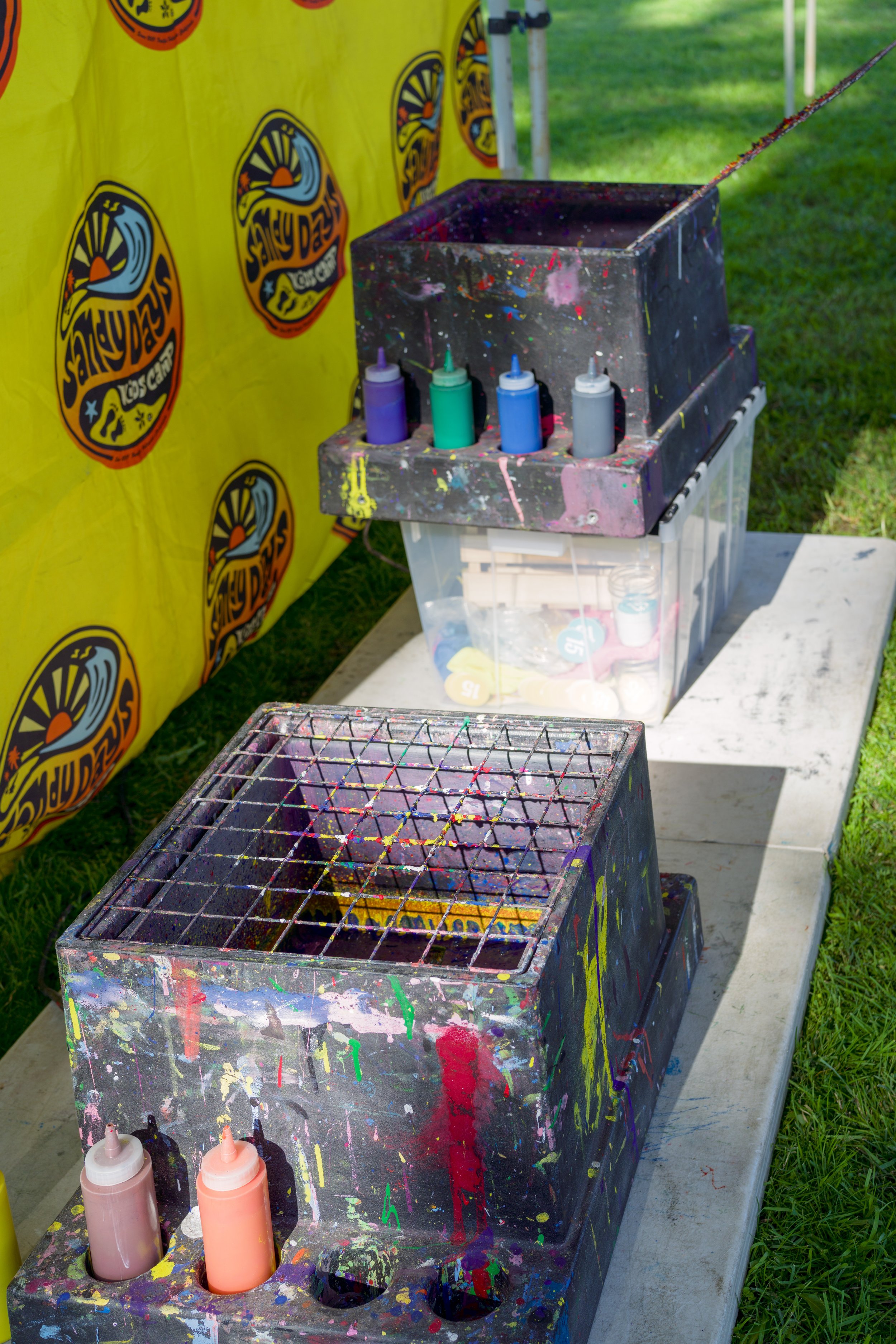
Dozens enjoyed complimentary coffee, pastries, and creative family-friendly activities throughout the day.
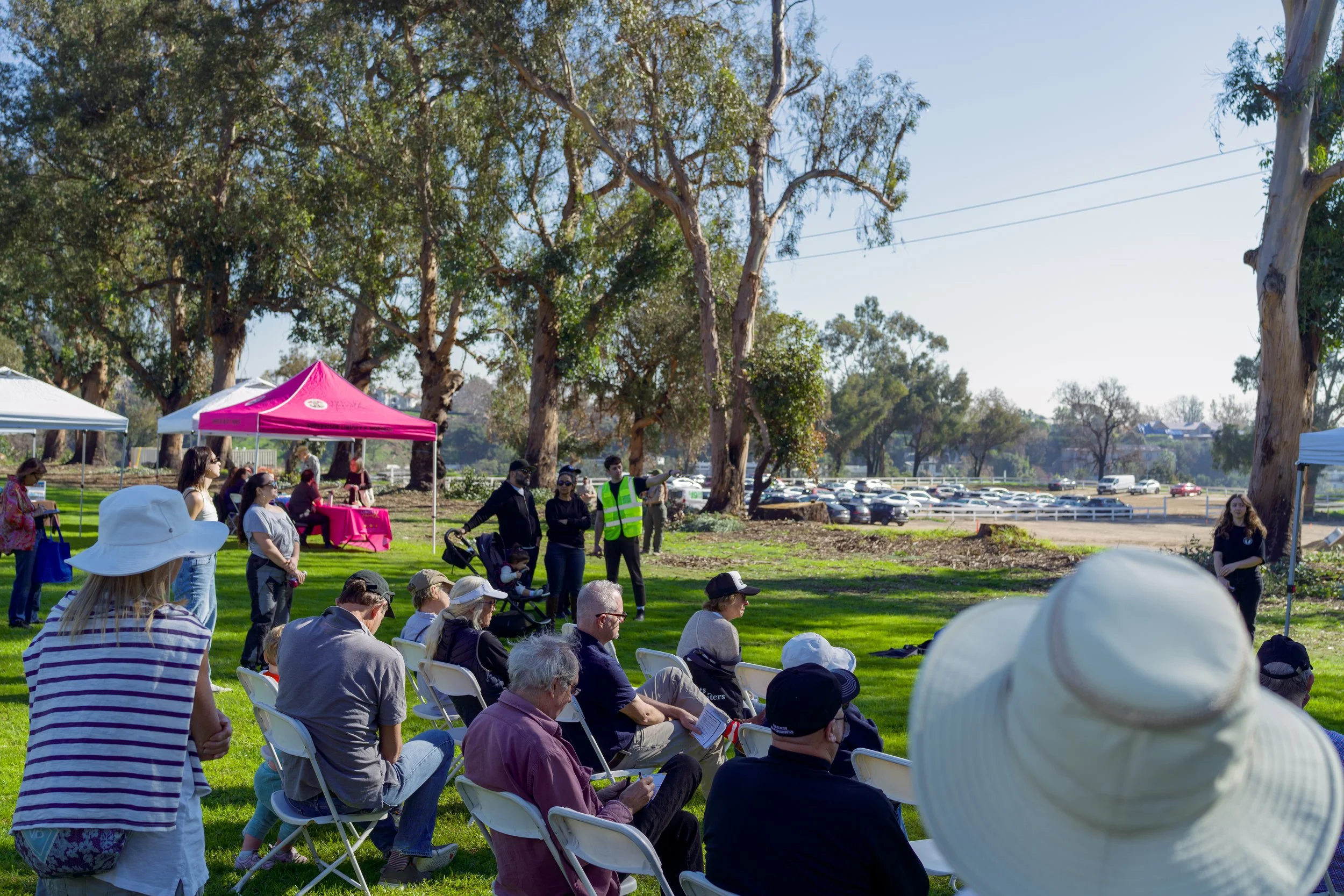



Building Capacity Through Community Partnership
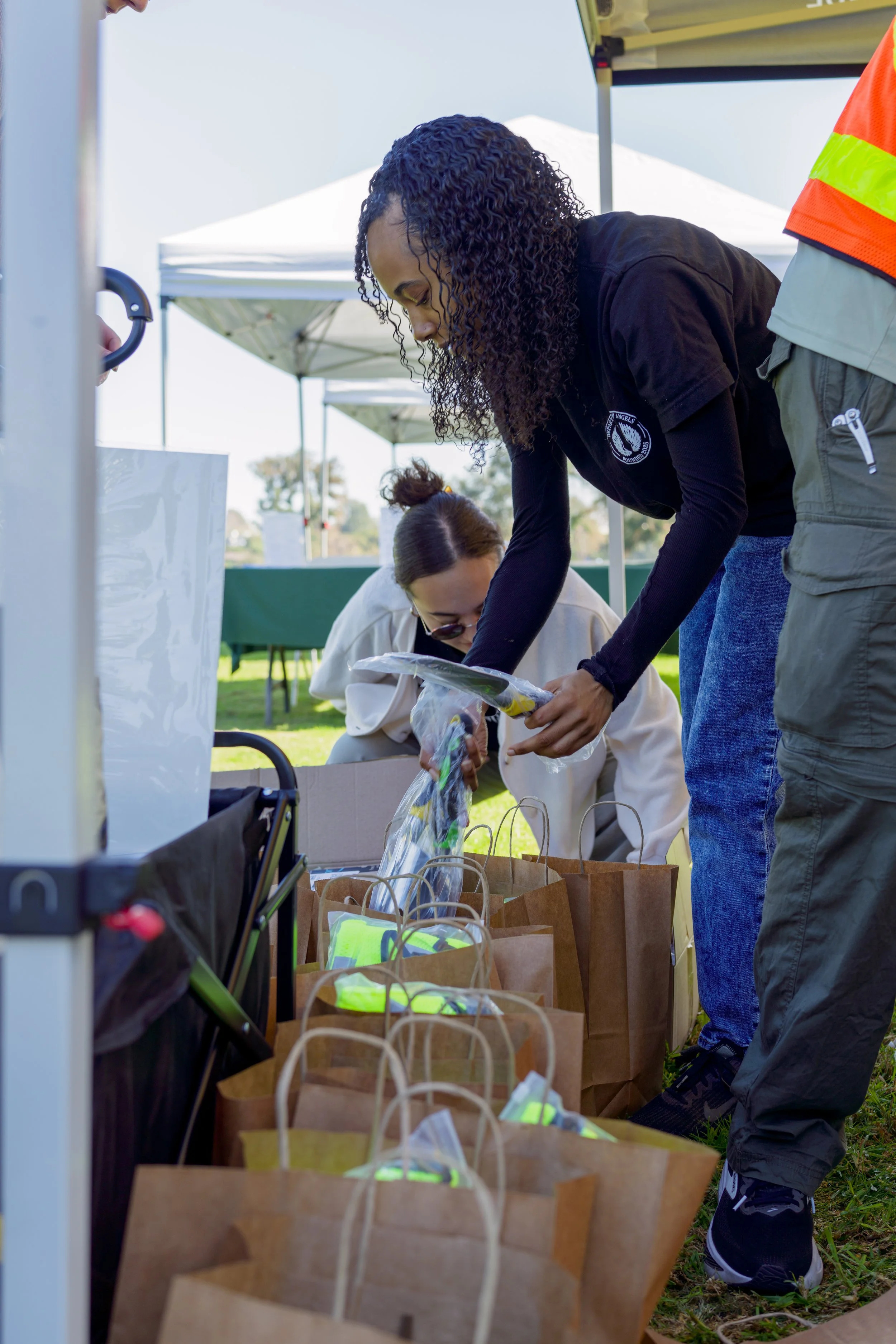
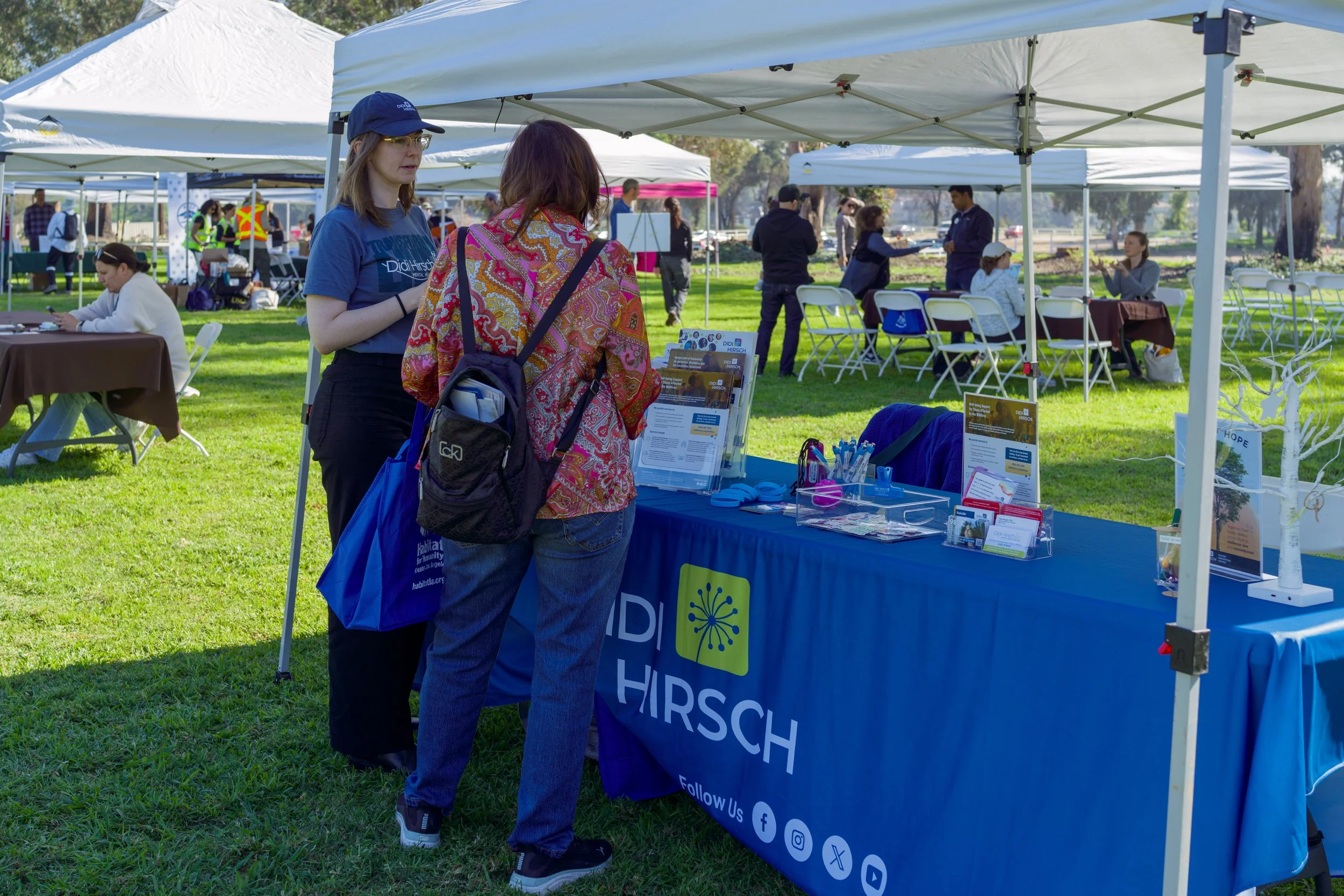
Informed by lessons from our Altadena Community Soil Testing Day, the Palisades event activated a broad network of recovery organizations to meet residents’ needs beyond environmental testing. Partners offered hands-on support with insurance navigation, rebuilding questions, and case coordination.
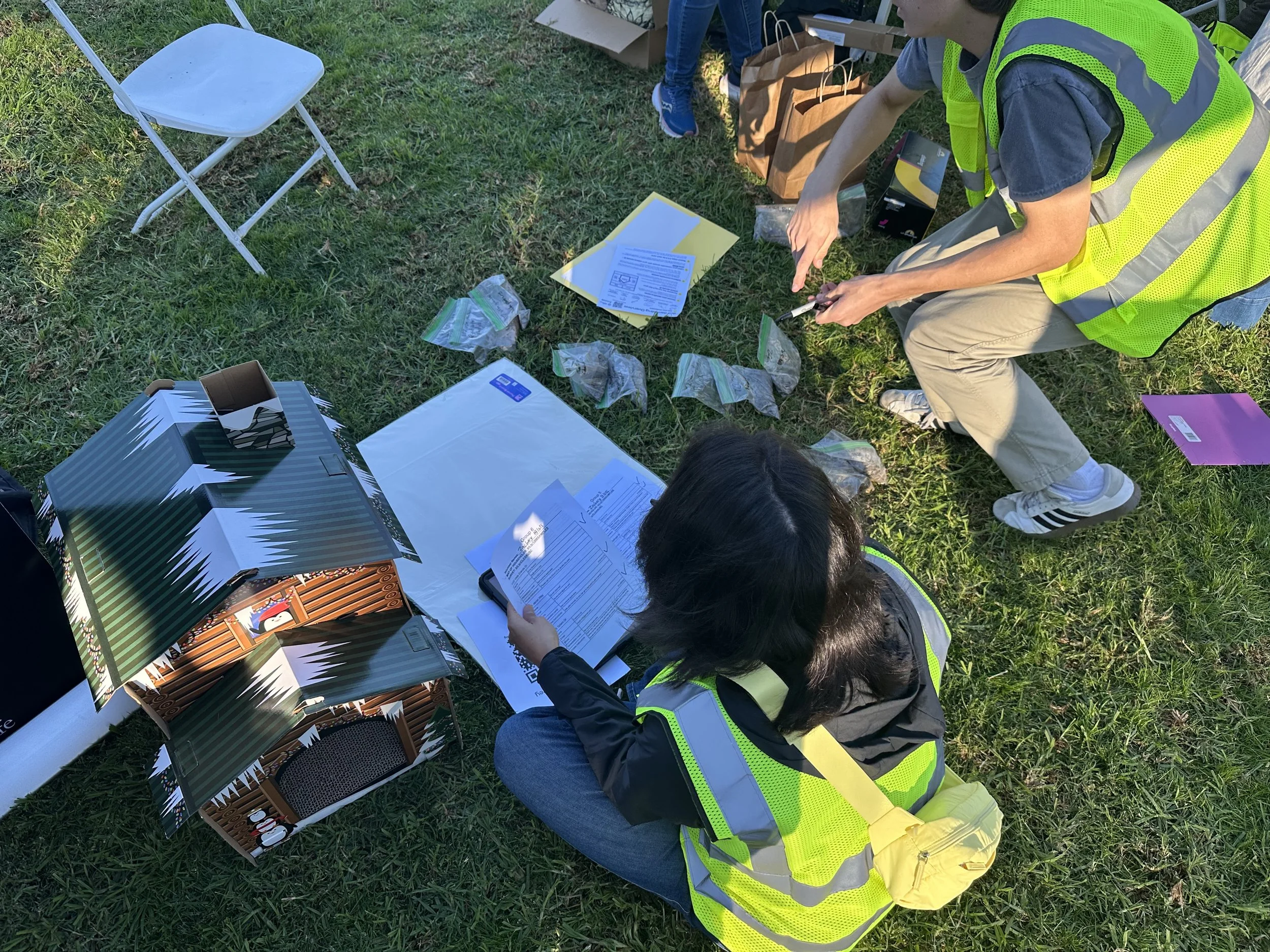
USC CLEAN provided on-site training for both survivors and volunteers, enabling them to directly support residents in collecting and submitting samples. This shift not only removed practical barriers, but also created moments of cross-fire solidarity. As one volunteer and Eaton Fire survivor reflected, “It was meaningful for us to get a glimpse into the recovery in the Palisades and even connect with some people from the local Y while we collected soil samples on their field.”
Creating Pathways for Connection and Care
The partnership with California State Parks highlighted the critical importance of environmental testing in community recovery, as the Will Rogers State Historic Park’s reopening was made possible, in part, through USC CLEAN’s testing. It created an opportunity to offer wellness resources in a cherished community setting, a need that grows more urgent as mental health challenges intensify.
The park’s namesake once said, “A stranger is just a friend I haven’t met yet.” The Palisades Community Soil Testing Day brought that sentiment to life, offering residents new points of connection, opportunities to rebuild social support, and a renewed sense of shared momentum in recovery.
Thank You to Our Partners
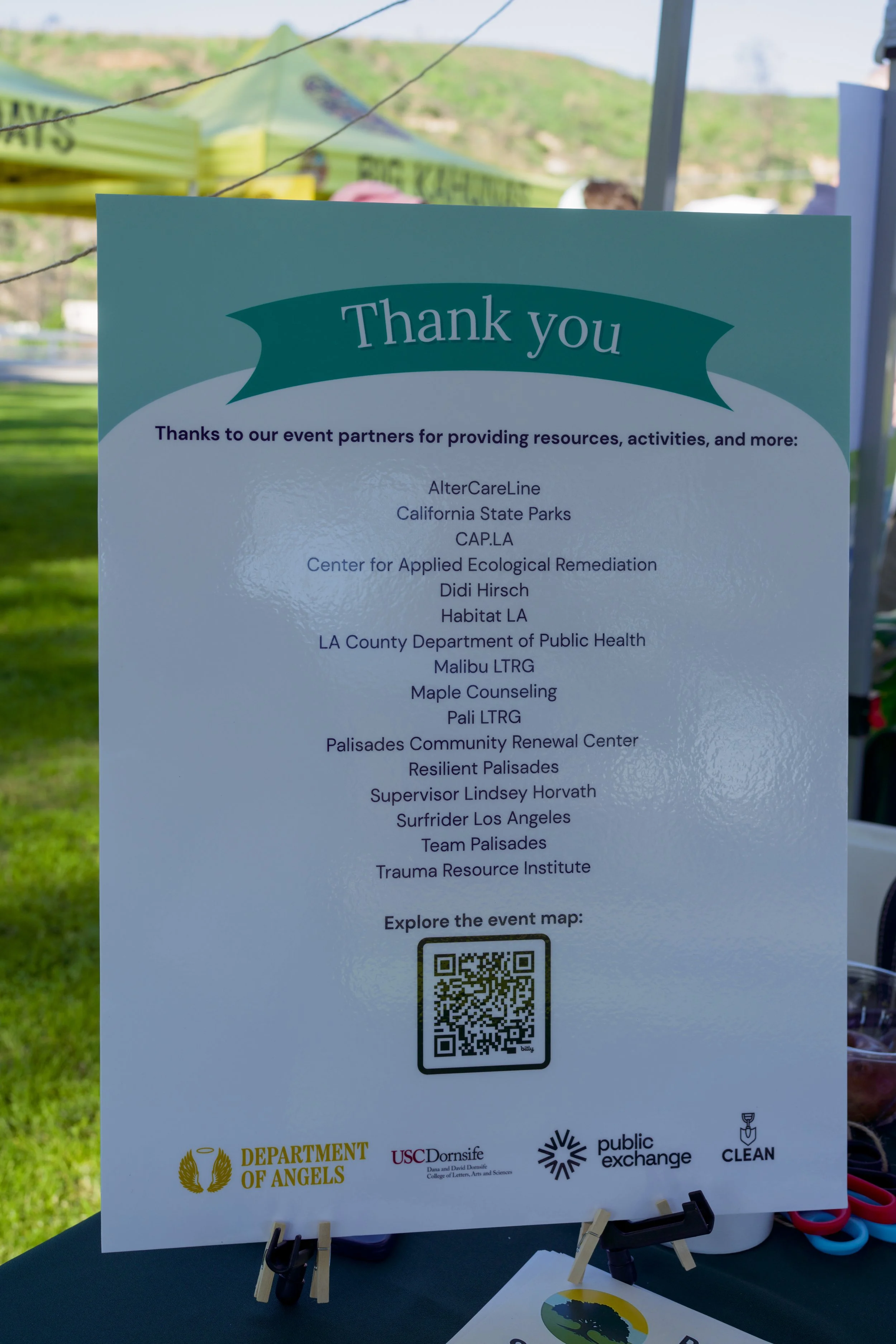
We are grateful for the dedicated partnership of the following organizations, which provided resources, activities, and support for the event:
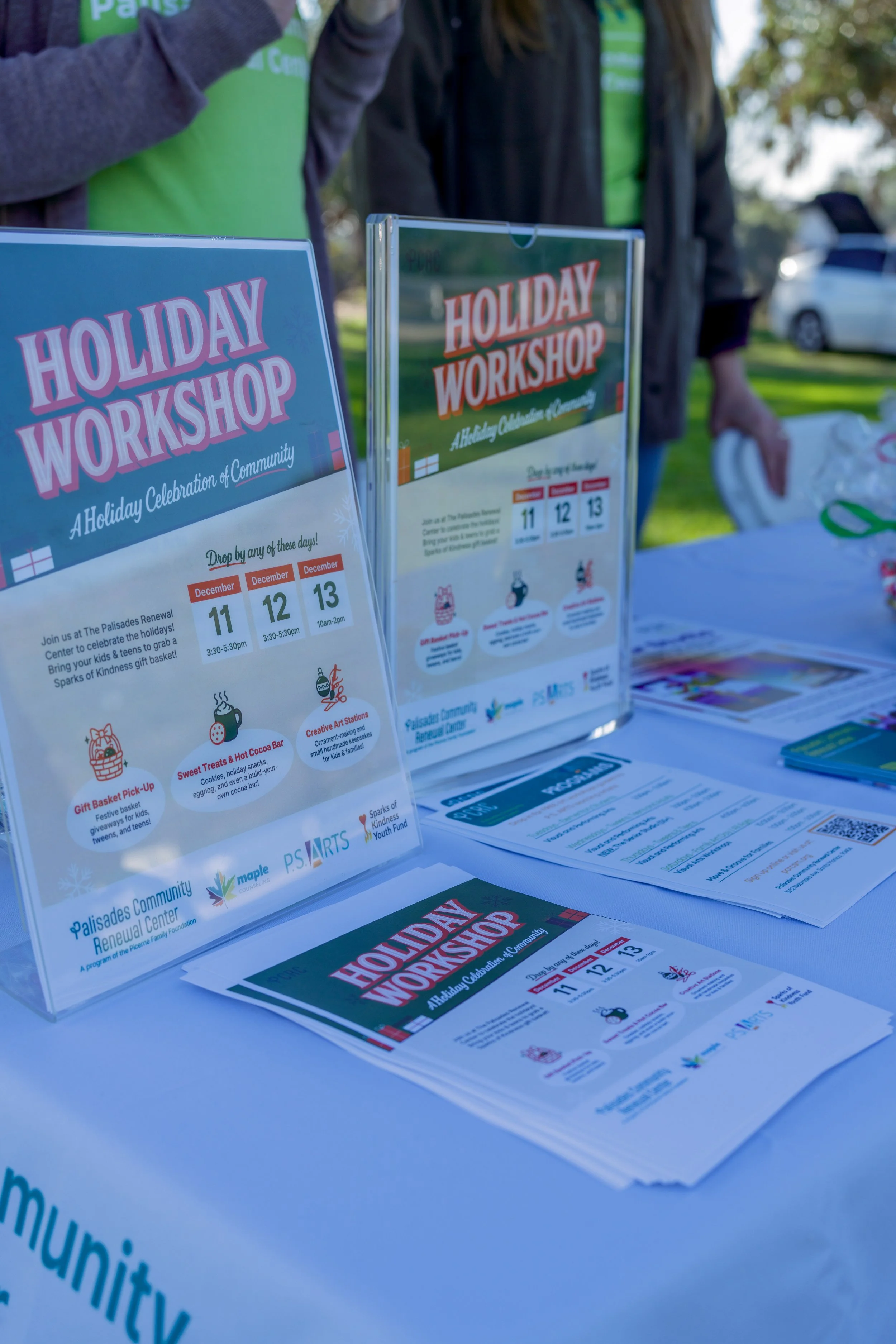
AlterCareLine • California State Parks • Centre for Applied Ecological Remediation • Community Action Project Los Angeles (CAP.LA) • Didi Hirsch Mental Health Services • Habitat for Humanity Greater Los Angeles • Inicio Coffee Company • Los Angeles County Department of Public Health • Malibu Community Long Term Recovery Group • Maple Counseling • Palisades Community Renewal Center • Palisades Long-Term Recovery Group • Palisades Recovery Coalition • Resilient Palisades • Sandy Days Kids Camp • Supervisor Lindsey Horvath • Surfrider Los Angeles • Team Palisades • Trauma Resource Institute • USC CLEAN
Soil testing cannot solve every challenge in recovery, but it can offer families clarity at a time when many things feel uncertain. To access free lead soil testing programs, learn more about the USC CLEAN project, which has now processed over 4,000 soil samples with support from FireAid and others, or check out the LA County Department of Public Health’s newly expanded program.