
Eighteen Months Later, Survivors Are Still Waiting. That's Why We Went to Washington, DC
Eighteen months after the Eaton and Palisades fires, the challenges facing impacted communities continue to grow more urgent. Los Angeles is now experiencing the longest wait for federal disaster recovery funding following a major disaster in modern history.
The Cost of Waiting
Two-thirds of LA fire survivors remain displaced. For all survivors, the work of recovery is ongoing. Whether securing housing, navigating insurance disputes, managing rising construction costs, or coping with grief and loss, recovery continues alongside work, family, and the demands of everyday life.
Nearly half of survivors have exhausted their savings and taken on debt just to stay afloat. One in five have had to delay repairs or rebuilding because of financial strain. The typical homeowner still faces a $500,000 rebuilding gap, and renters remain about $100,000 short of funds to get back on their feet. Meanwhile, nearly every major form of assistance has declined since April.
Today, the Department of Angels released our sixth Community Voices: LA Fire Recovery Report, research that draws on the experiences of more than 2,000 fire survivors across impacted communities. These findings confirm what survivors have been saying for months: recovery has stalled while families wait for the federal resources that have long helped communities rebuild after disasters.
The Strength of Survivors
At the same time, something else remains clear: survivors are ready for change.
A growing majority say they will rebuild their communities no matter what. More than three-quarters have taken civic action—attending public meetings, volunteering, organizing neighbors, and engaging elected officials—to help shape recovery. Their commitment has only grown stronger, even as the challenges before them have grown.
Survivor Voices in Washington, DC
That's why this week, a delegation of eight Eaton and Palisades fire survivors traveled to Washington, D.C., alongside the Department of Angels. They met directly with key members of congress and their staff to share what recovery looks like eighteen months later.
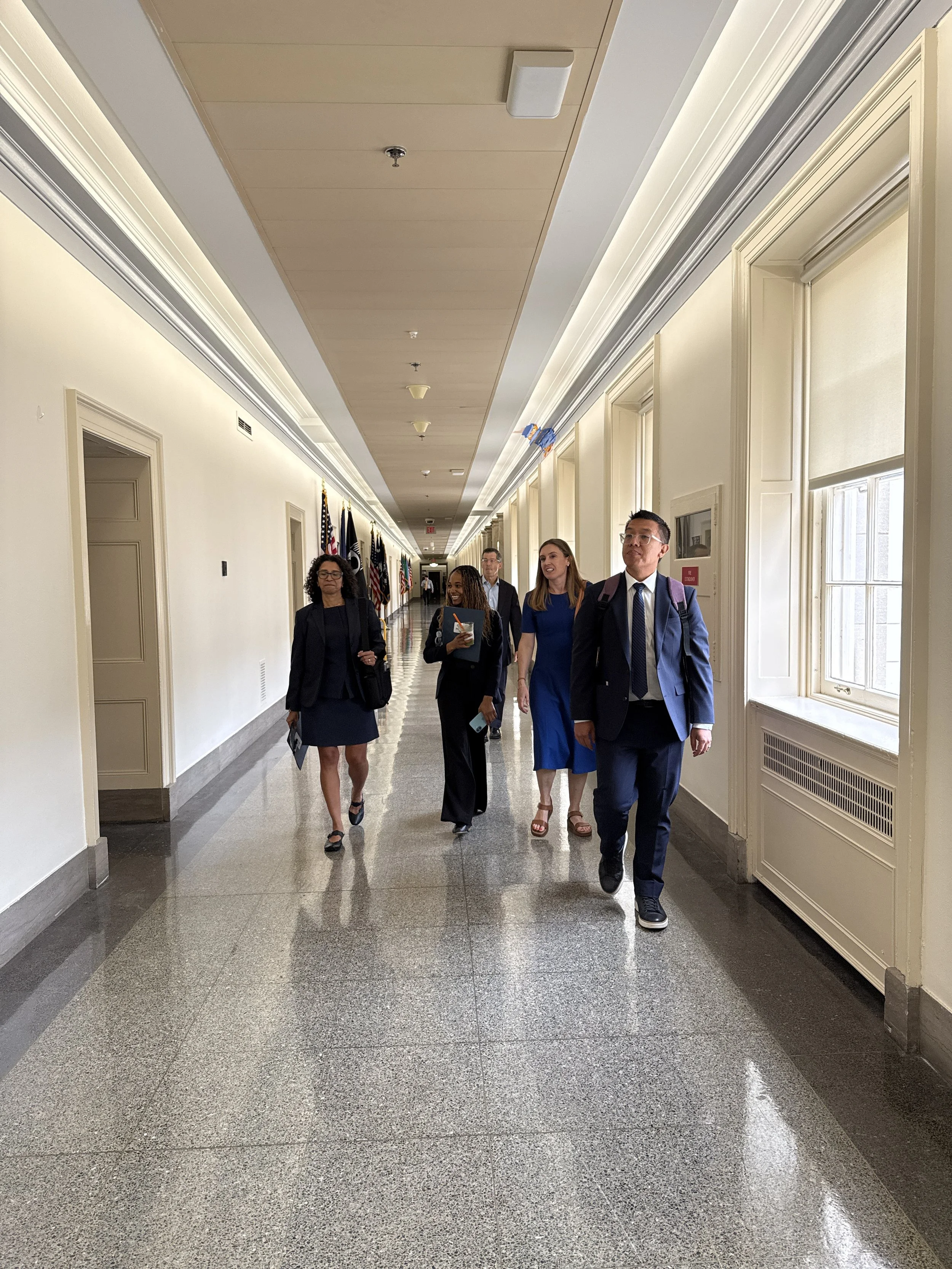
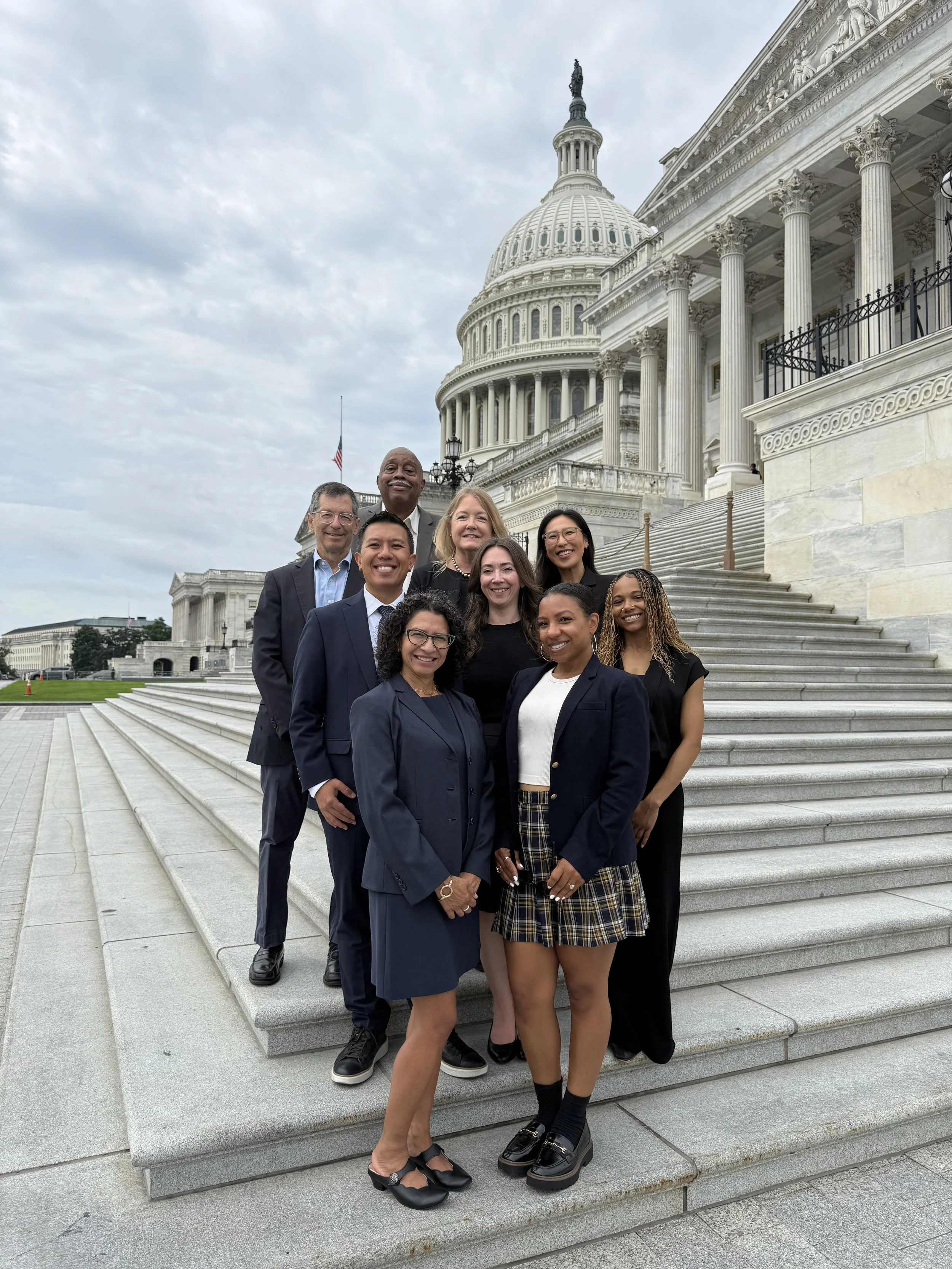
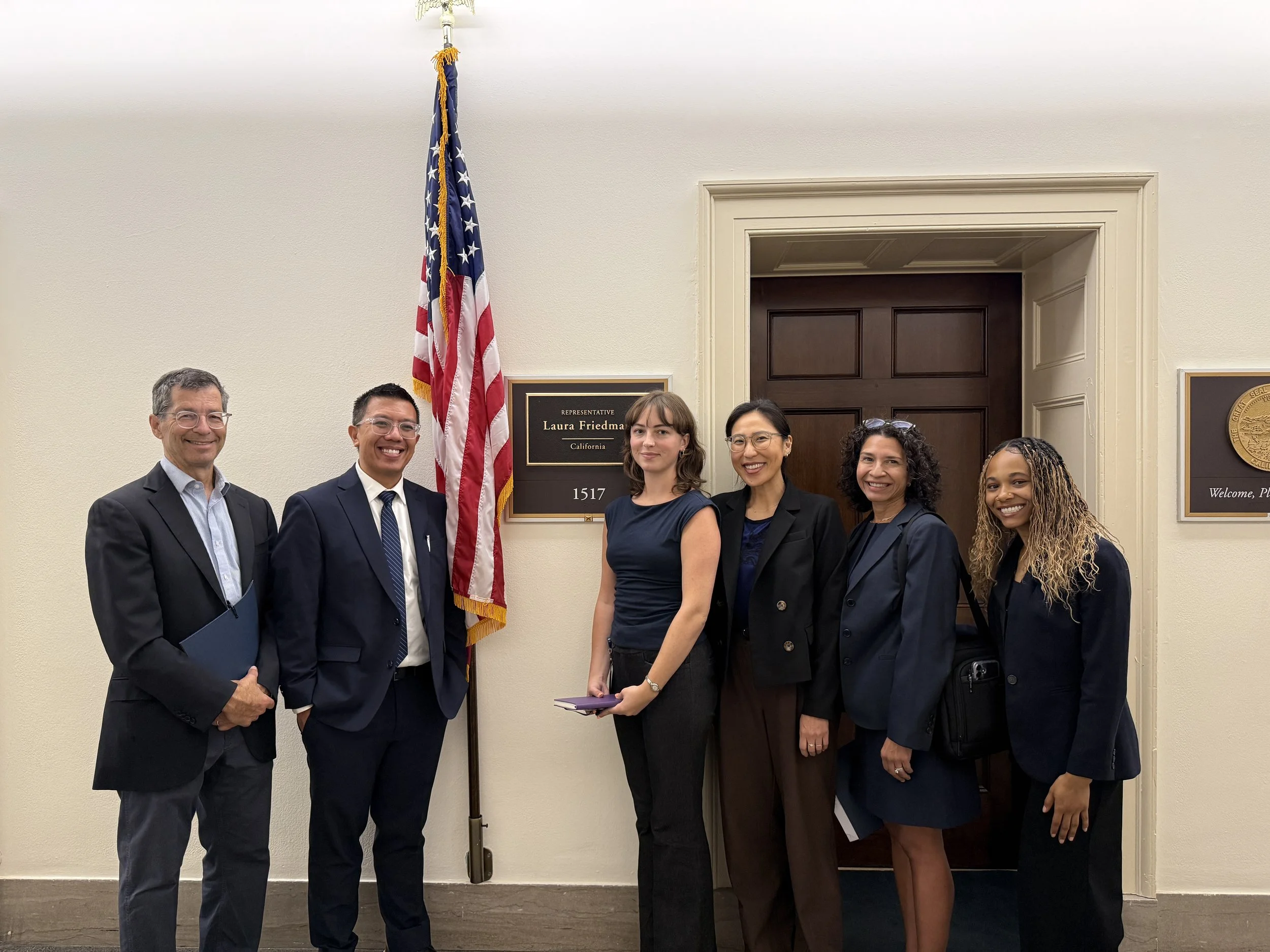
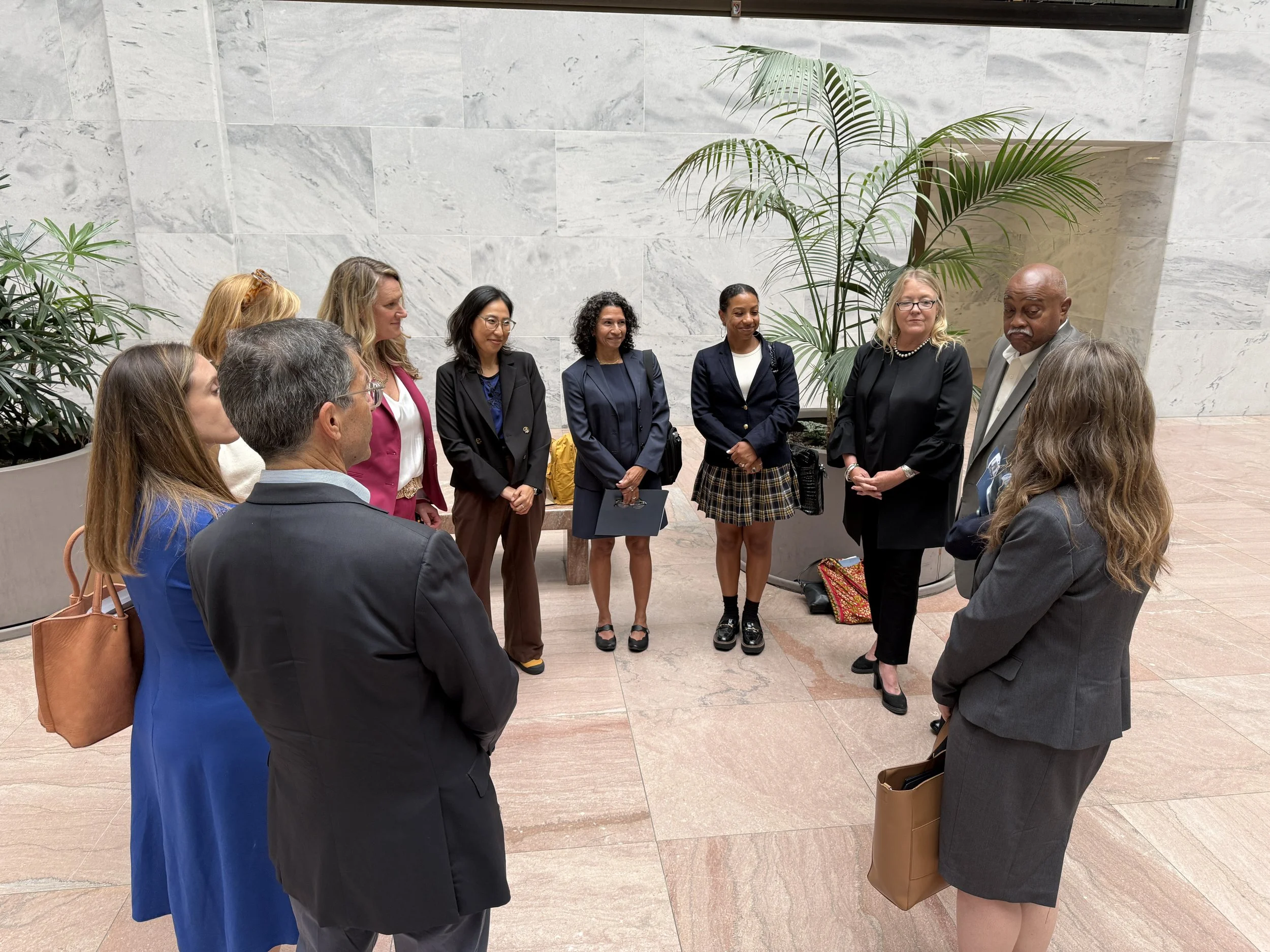
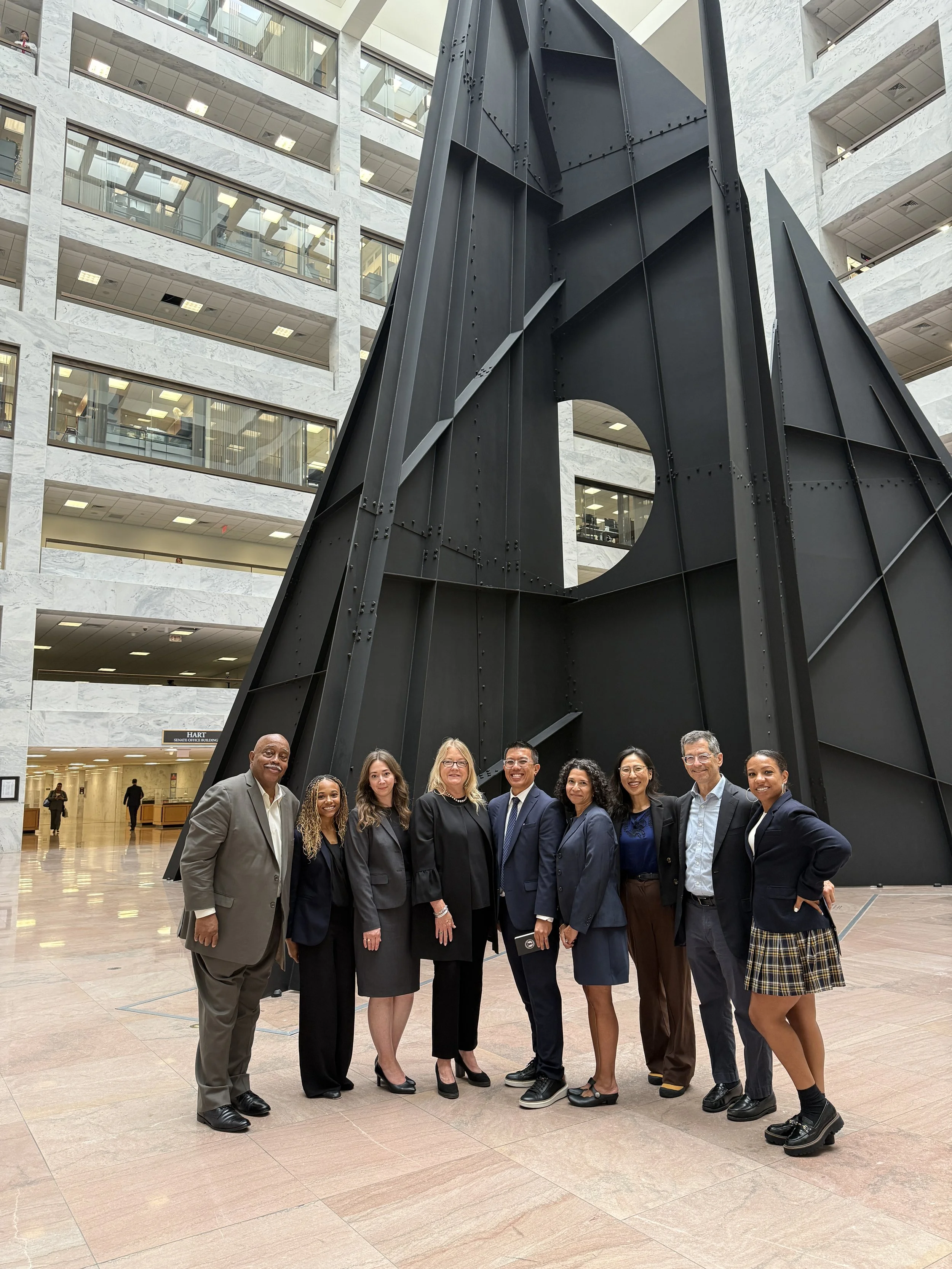
We are deeply grateful to every member of the survivor delegation who stepped away from the already overwhelming work of rebuilding their own lives to advocate for their communities. They are parents, grandparents, community leaders, students, and neighbors who shared their time and stories to remind policymakers that behind every statistic is a family working to return home, a small business trying to reopen, or a neighborhood determined to rebuild. Survivors have shouldered an extraordinary burden over the past eighteen months. They should not have to carry it alone.
Every meeting reinforced the same message: disaster relief is a bipartisan issue, survivors still need help, and Congress has the opportunity to act now.
Finding Common Ground
During our visit, Senators Alex Padilla, Adam Schiff, Thom Tillis, and John Curtis called on congressional leadership to include long-term disaster recovery funding in any upcoming supplemental appropriations legislation. Mayor Karen Bass and Supervisor Kathryn Barger echoed that call from Los Angeles, and Senator Padilla recognized our delegation during remarks from a Senate Appropriations Committee hearing on supplemental funding as survivors looked on from the audience. For many, those moments served as a reminder that recovery is bigger than politics. Disasters do not distinguish between parties, and neither should our response.
Relief Every Community Can Depend On
Every community deserves a disaster recovery system that responds with urgency, fairness, and compassion. The delays facing Los Angeles expose vulnerabilities that could affect communities nationwide unless they are addressed.
The Department of Angels’ latest report is intended to do more than document the results of these delays. It provides policymakers—and survivor-serving organizations of all kinds—with the data needed to make informed decisions and ensure survivor experiences remain at the center of those conversations.
Recovery is possible. Survivors have demonstrated extraordinary resilience and determination over the past eighteen months. Now it is time for our nation's recovery systems to demonstrate the same commitment.
We are grateful to every survivor who shared their story, every partner who stood alongside us, and every leader who continues to move recovery forward, including members of the California delegation on both sides of the aisle. The work is far from over, but neither is the determination of the communities leading it. The Department of Angels remains committed to ensuring survivor voices continue to guide every step on the road ahead.
Learn more about the current state of recovery in Los Angeles here.