
Meet the Survivor Network Accelerator Cohort
“Recovery is not just about walls being rebuilt, it's about the people who return.”
- Eaton Community Leader
A year and a half into recovery, financial pressures are escalating, and survivors continue to wrestle with the same, persistent questions: Is there a viable financial path forward? How do I navigate my insurance claims? Is my air, water, and soil safe?
The answers are rarely simple. Navigating a complex web of systems can be taxing and disheartening. In moments like this, survivors don’t just need a program or resources; they also need connection and community. Department of Angels’ research consistently shows that community can be a real lifeline.
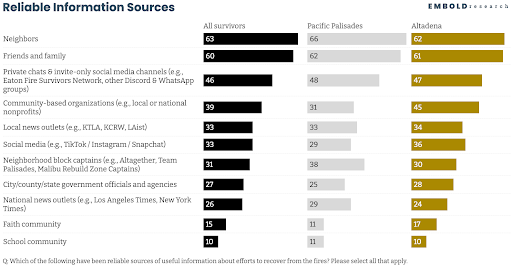
Peers (friends, neighbors, and family members), followed closely by grassroots community organizations, remain the most trusted sources survivors turn to when navigating their recovery.
Yet, many survivors remain isolated, unaware of the peer support networks available to them. We created the Survivor Network Accelerator to help bridge that gap, connecting survivors to the neighbor-led communities that can help support them throughout recovery.
The Survivor Network Accelerator is a 12-month intensive program designed to strengthen, fund, and connect peer-to-peer networks providing that vital support. We’re supporting these networks to reach an ambitious goal: achieving 100% survivor outreach so that every household has the opportunity to get connected.
Our Partners
The organizations in this cohort have each played an essential role in helping their communities navigate recovery. They have built trusted networks, created spaces for neighbors to support one another, and stepped in where systems have fallen short. We're proud to invest in their leadership and help expand the reach and impact of the work they have already begun.
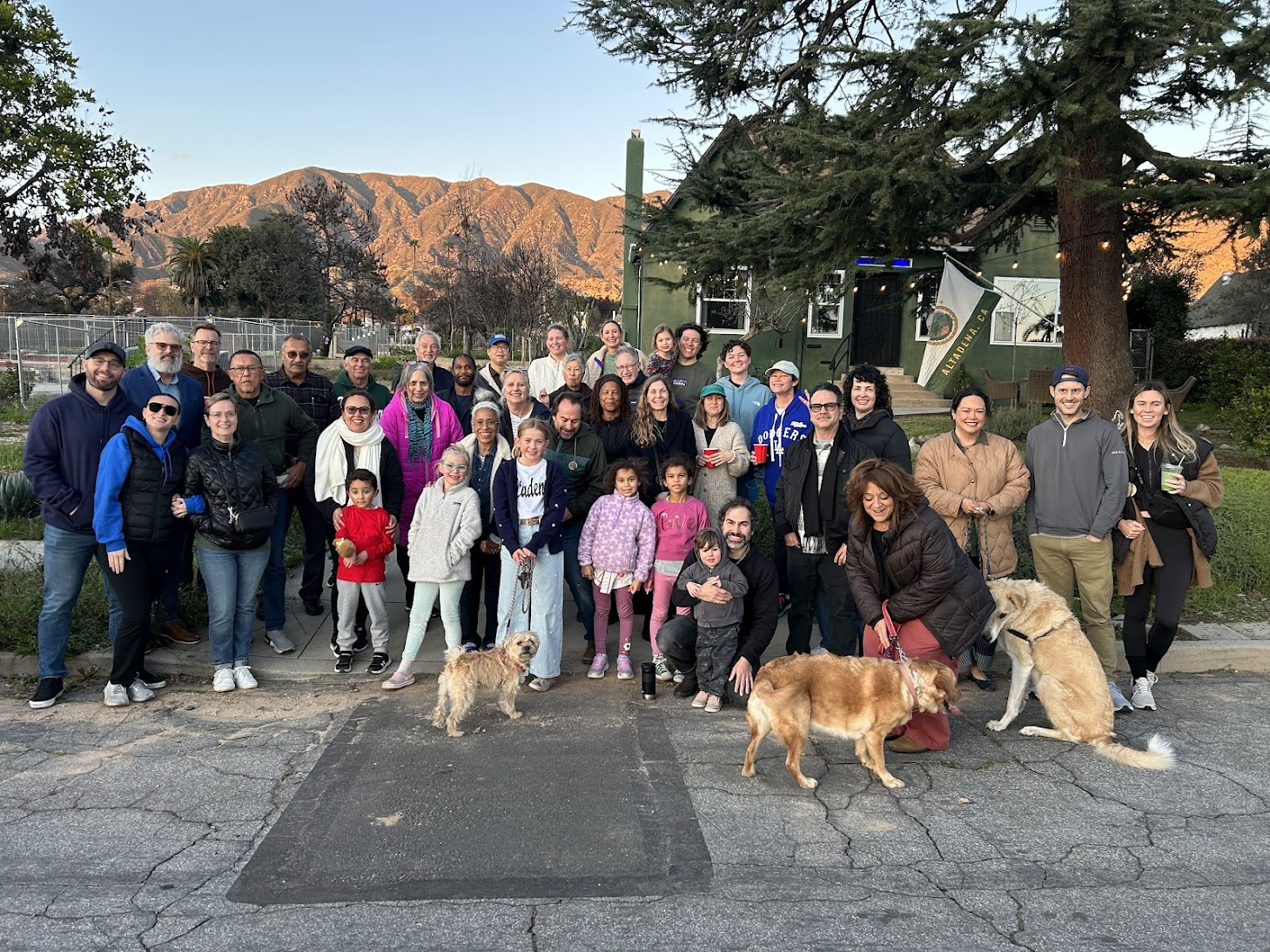
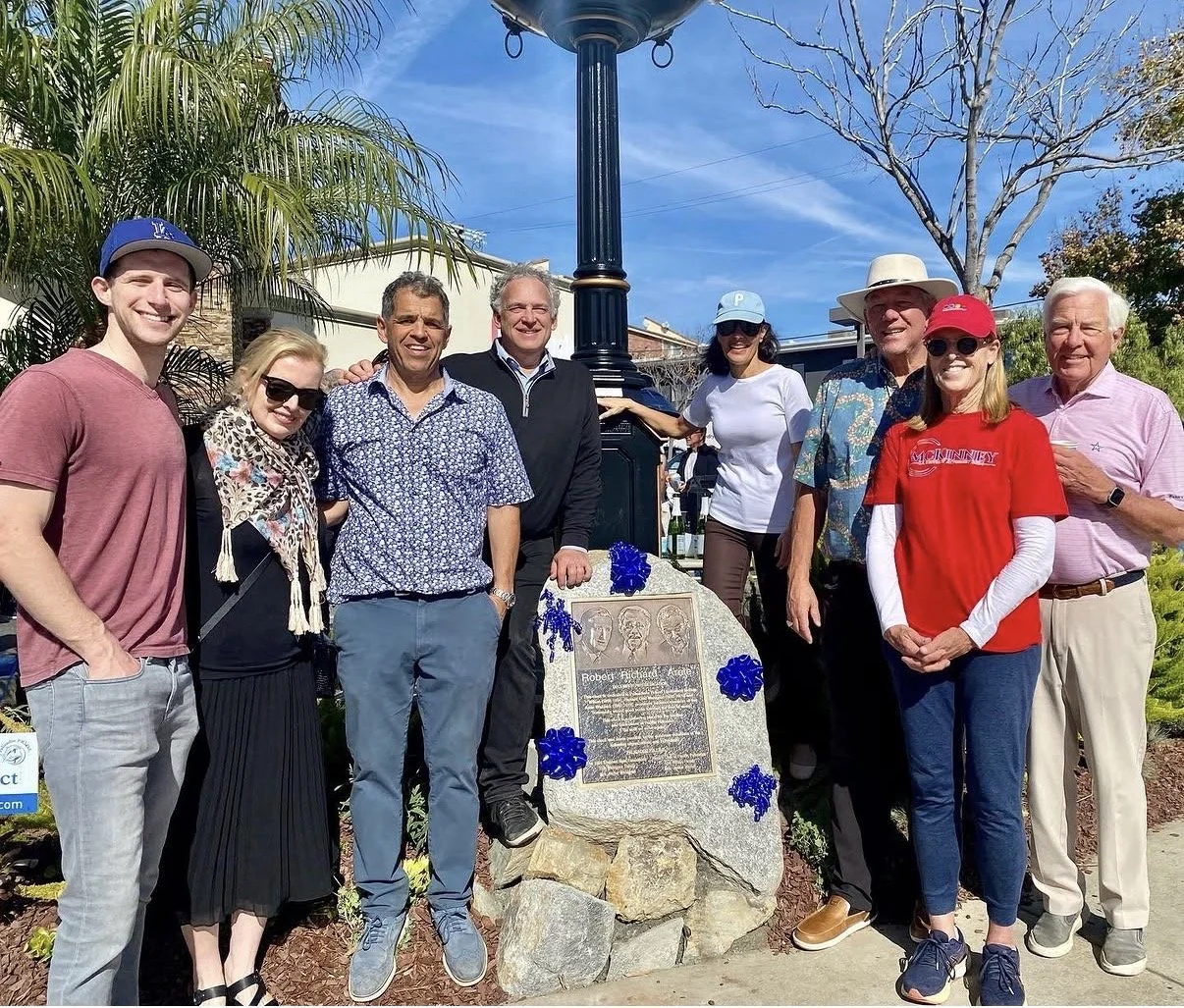
Altagether (Eaton): Driven by volunteer block captains, Altagether helps people affected by the Eaton Fire get support by connecting them directly with neighbors working to recover and rebuild.
Clergy Community Coalition (in partnership with PostFire) (Eaton): In the wake of the Eaton Fire, the Clergy Community Coalition is committed to empowering local faith communities and uniting efforts for a coordinated and compassionate recovery in Greater Pasadena.
Community Women Vital Voices (Eaton): Stands with Black families, seniors, and women across Pasadena and Altadena, through advocacy, education, and unwavering community care.
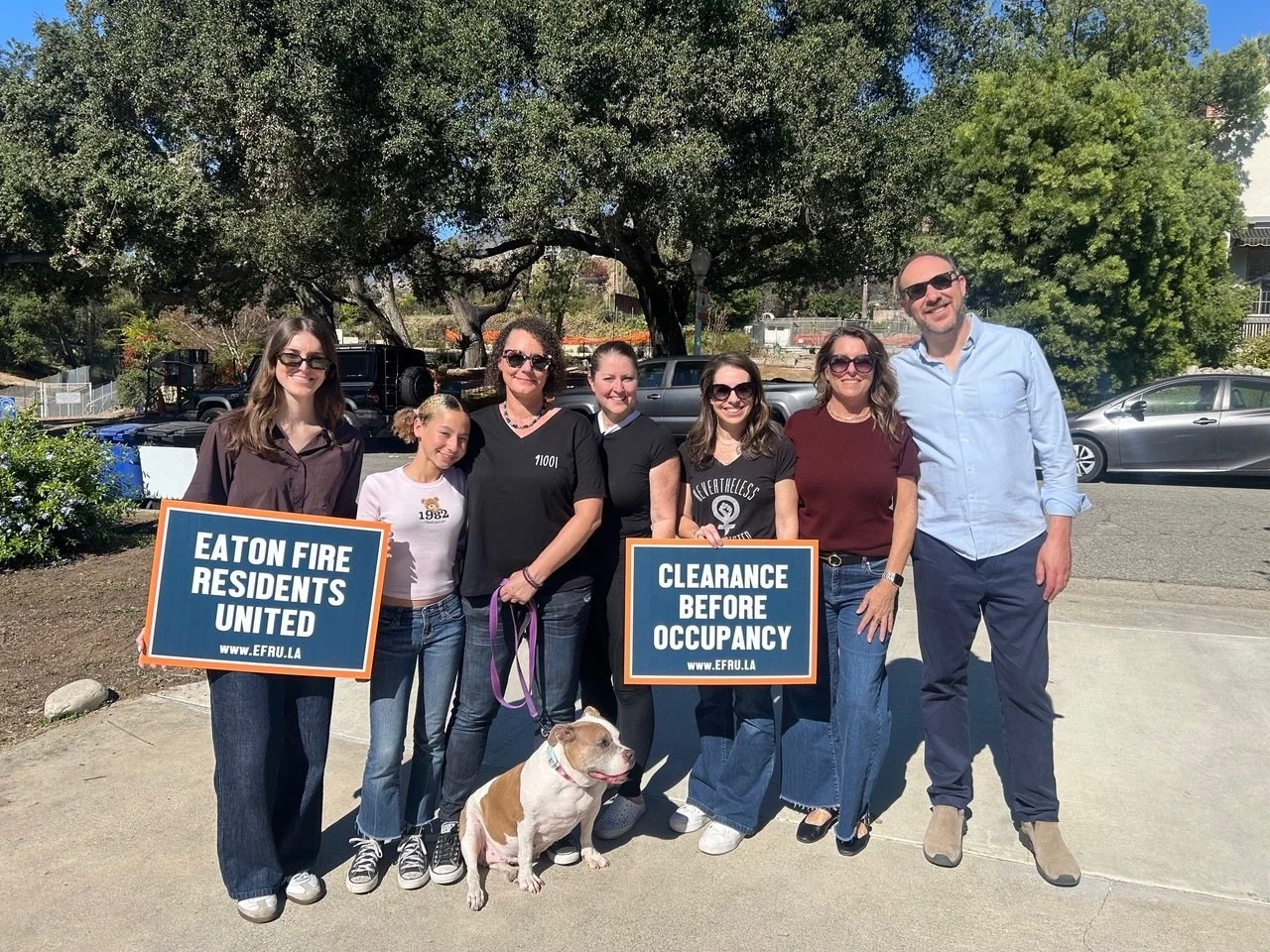
Eaton Fire Residents United (in partnership with Standing Structures) (Eaton): Eaton Fire Residents United is a resident-led, data-driven organization formed after the January 2025 Eaton Fire to ensure a safe, just, and equitable post-fire recovery for families in Altadena, Pasadena, and surrounding communities.
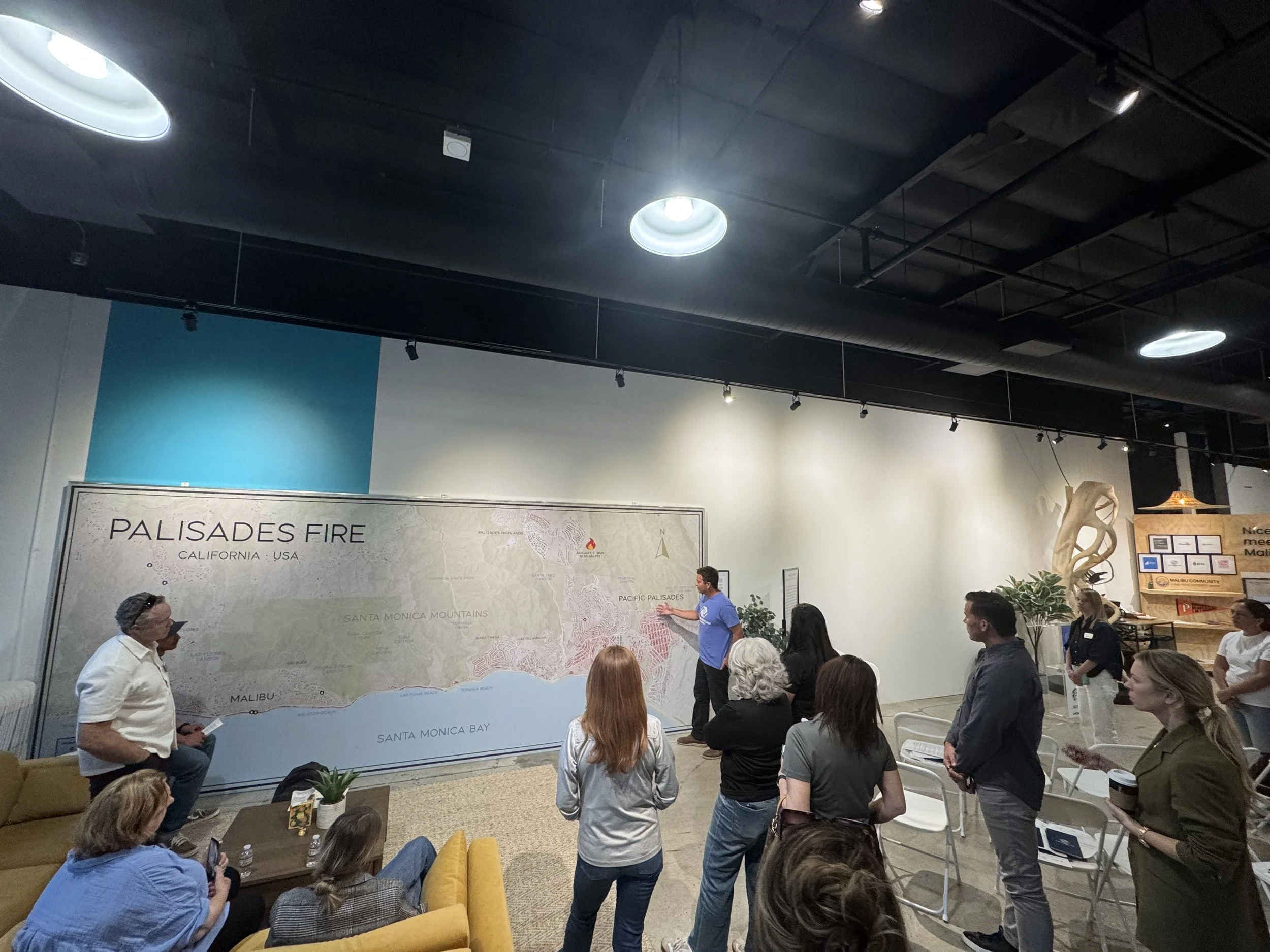
Malibu Community Long Term Recovery Group (MCLTRG) (Palisades): The Malibu Community Long Term Recovery Group brings together nonprofit, faith-based, and community partners to walk alongside neighbors impacted by the Franklin and Palisades Fires.
Pacific Palisades Community Council (Palisades): The civic backbone of the Pacific Palisades for over 50 years that reaches residents and Palisades community organizations.
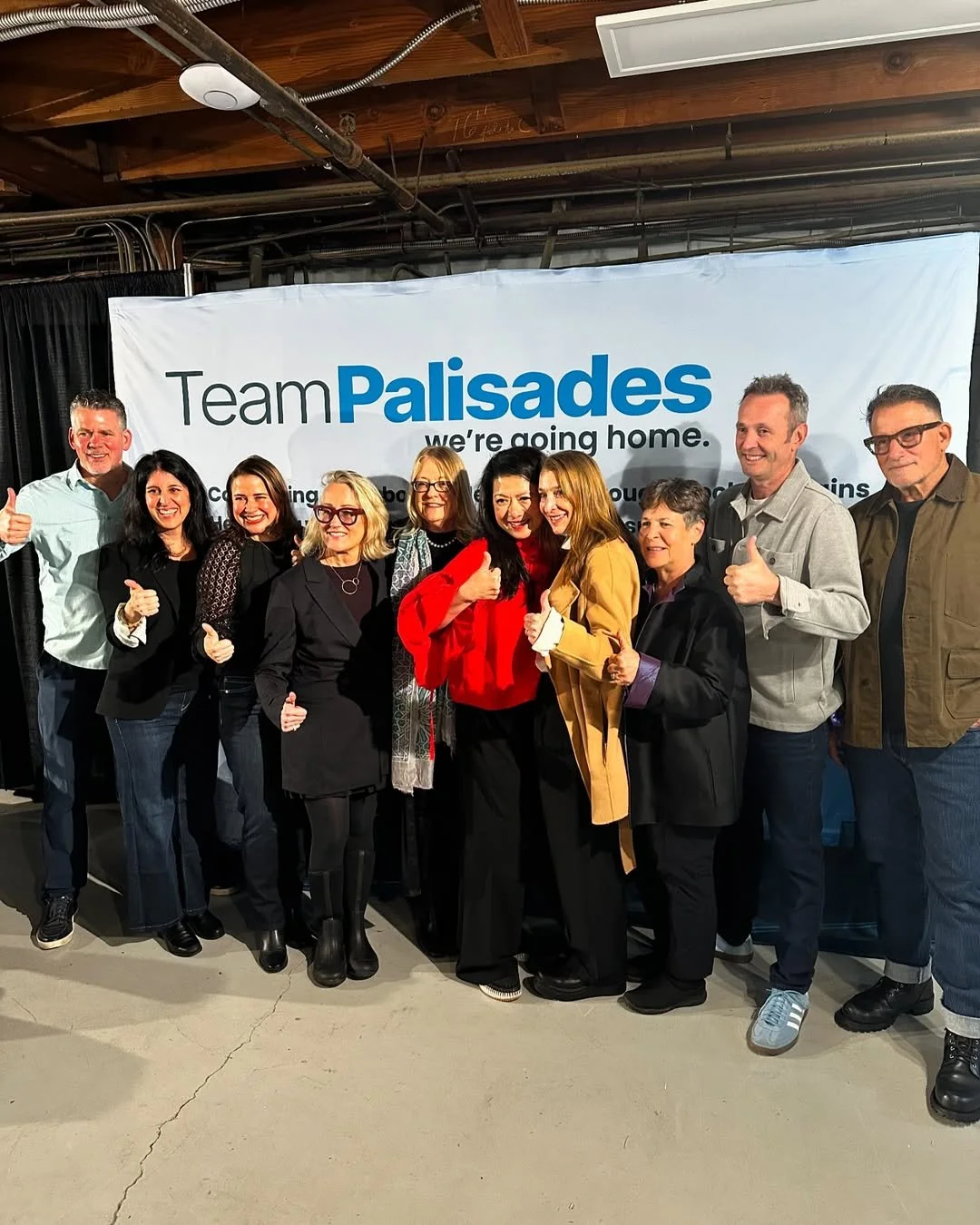
Team Palisades (Palisades): Team Palisades, a neighbor-led support network that mobilizes volunteer block captains to share trusted resources, challenge broken systems, and ensure that every resident— renters, seniors, families— has a fair path home.
Standing Homes - Palisades (Palisades): A peer network providing residents in standing homes the specialized resources and support they need to navigate insurance, remediation and recovery challenges.
The Work Ahead
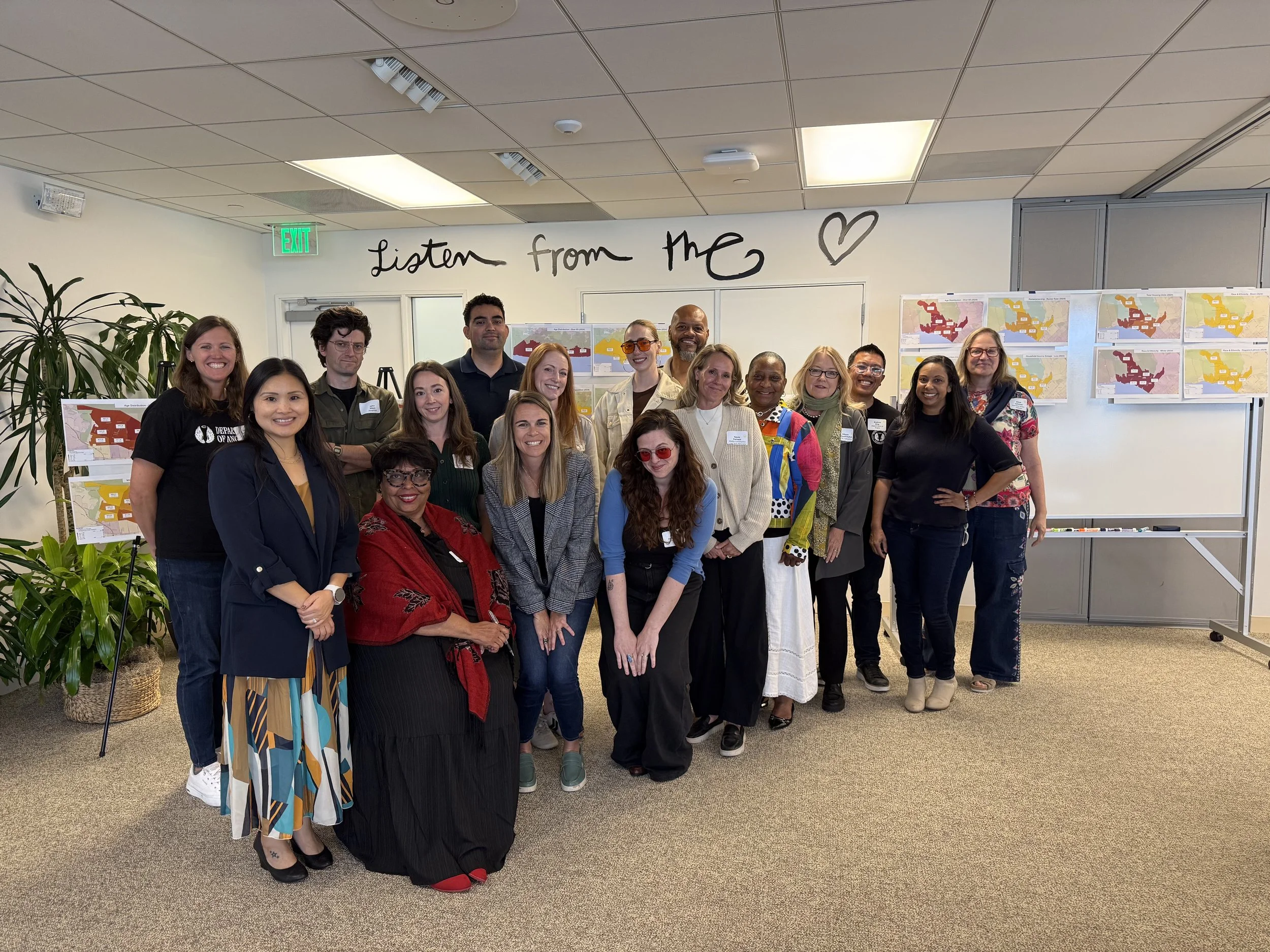
Over the next year, these eight organizations will work individually and collectively to reach every survivor and grow their impact. With this cohort-based approach, organizations can benefit from each other’s expertise, sharing knowledge across geographies and finding common solutions to shared challenges.
Because recovery isn't just about permits and rebuilding timelines; it's about restoring our communities. These organizations have already laid the groundwork for a more connected, survivor-led recovery. Now, together, we're expanding reach, strengthening collaboration, and ensuring that every survivor has the opportunity to find connection in recovery.