
One Year In: What Our Communities Have Taught Us About Recovery
One year ago, in the aftermath of the 2025 LA fires, neighbors showed up for neighbors in ways big and small. Out of that reality, the Department of Angels was born: to stand behind community leadership, amplify it, and help build a more connected recovery ecosystem.
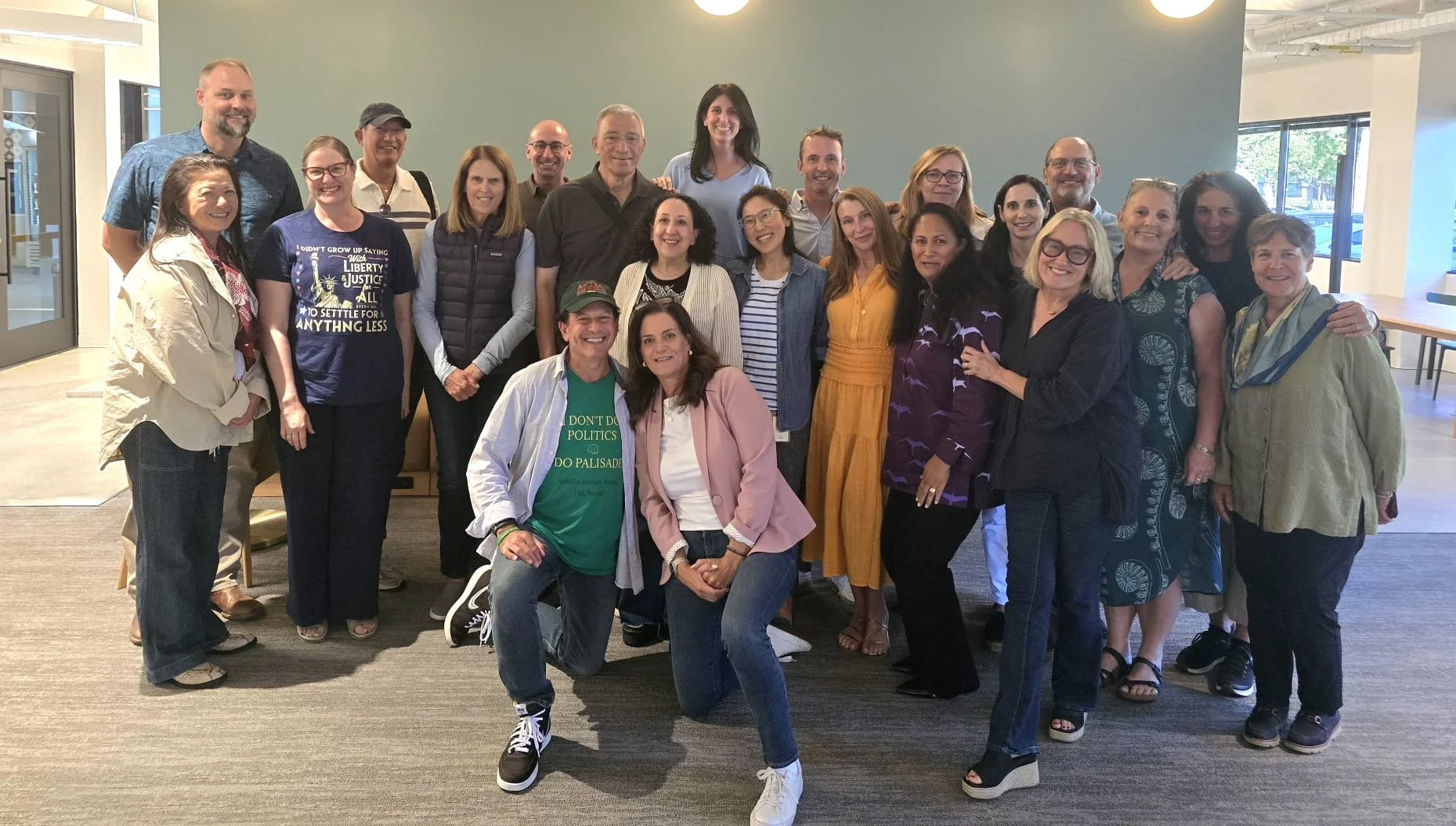
Over the past year, we’ve had the honor of working alongside survivor leaders, block captains, organizers, faith leaders, scientists, industry leaders, philanthropists, policymakers, and advocates across Altadena, Pacific Palisades, Pasadena, Malibu, and beyond. What we’ve built together is a growing network of relationships, trust, and shared determination to accelerate recovery across the region.
Here are three lessons our communities have taught us, and how they’ve shaped our shared accomplishments.
1. Recovery starts with listening.
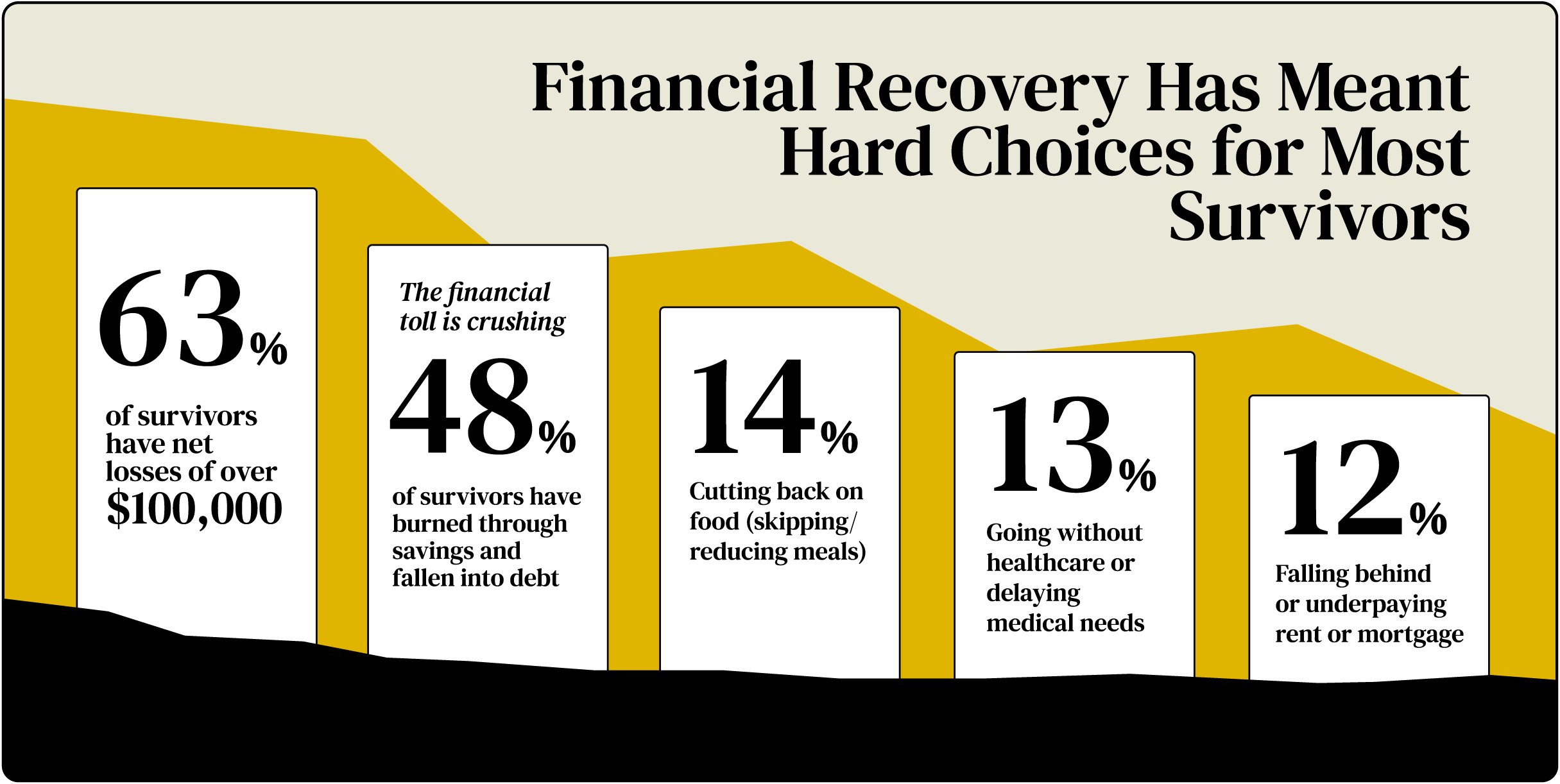
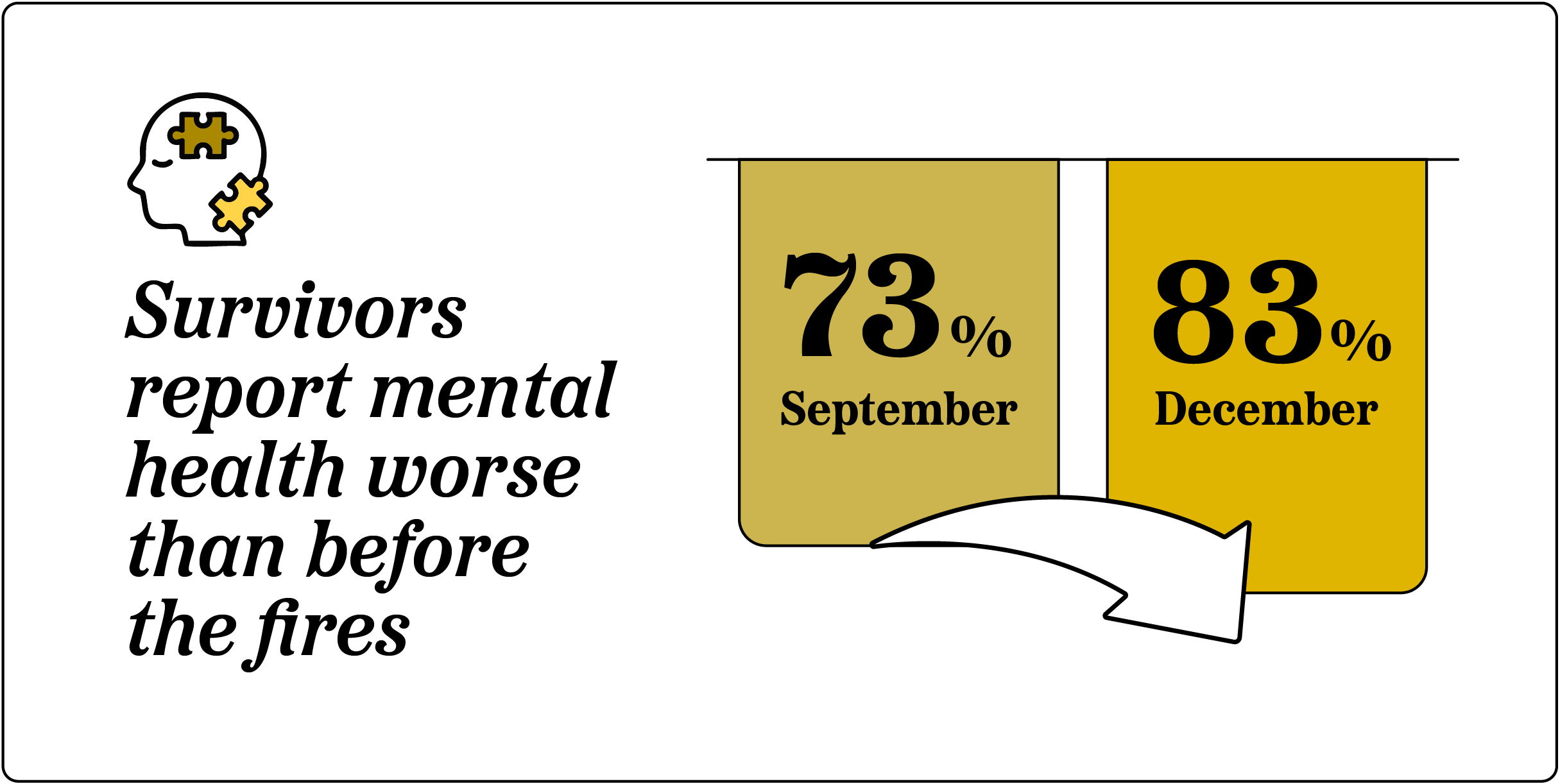
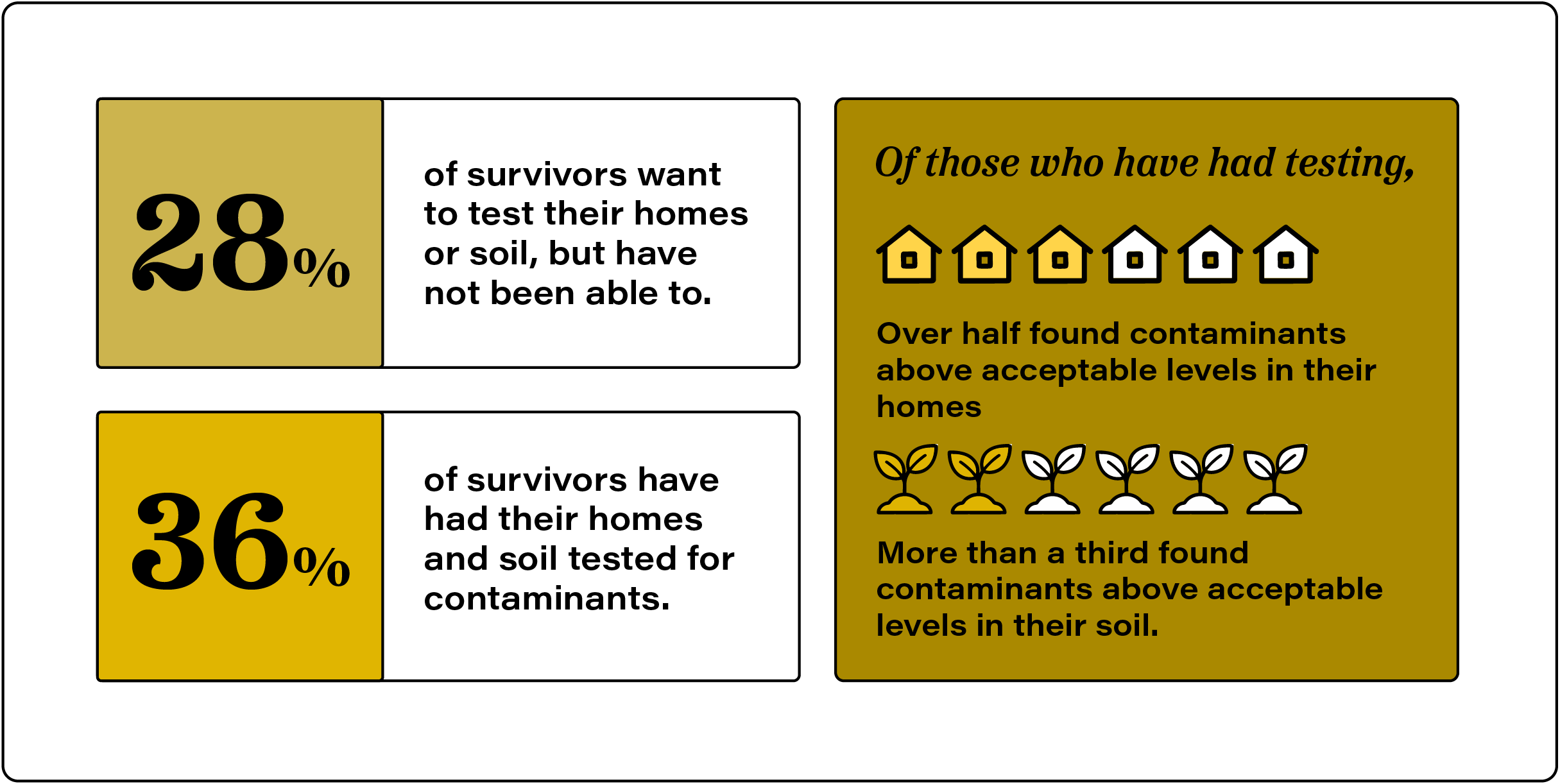
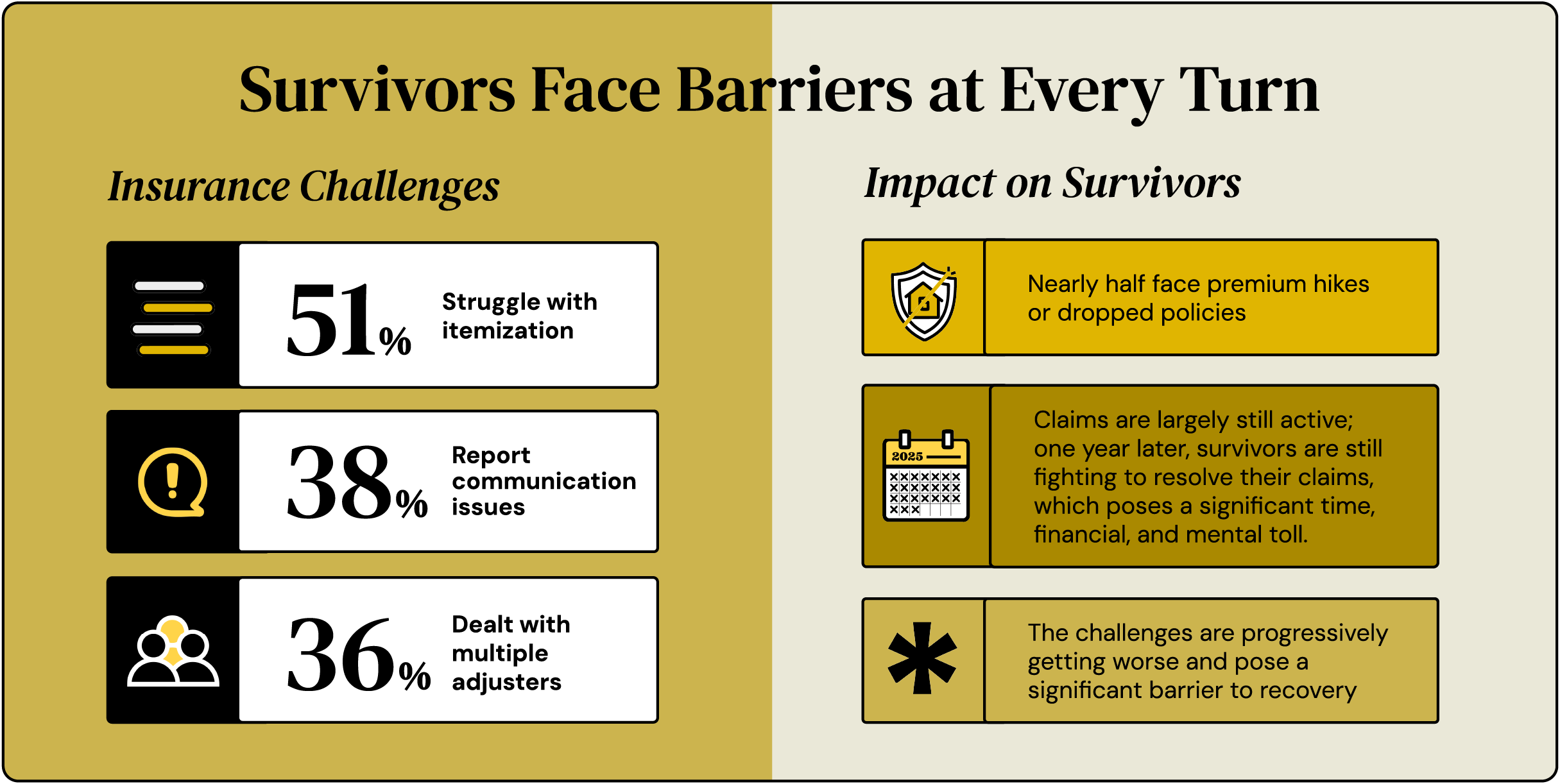
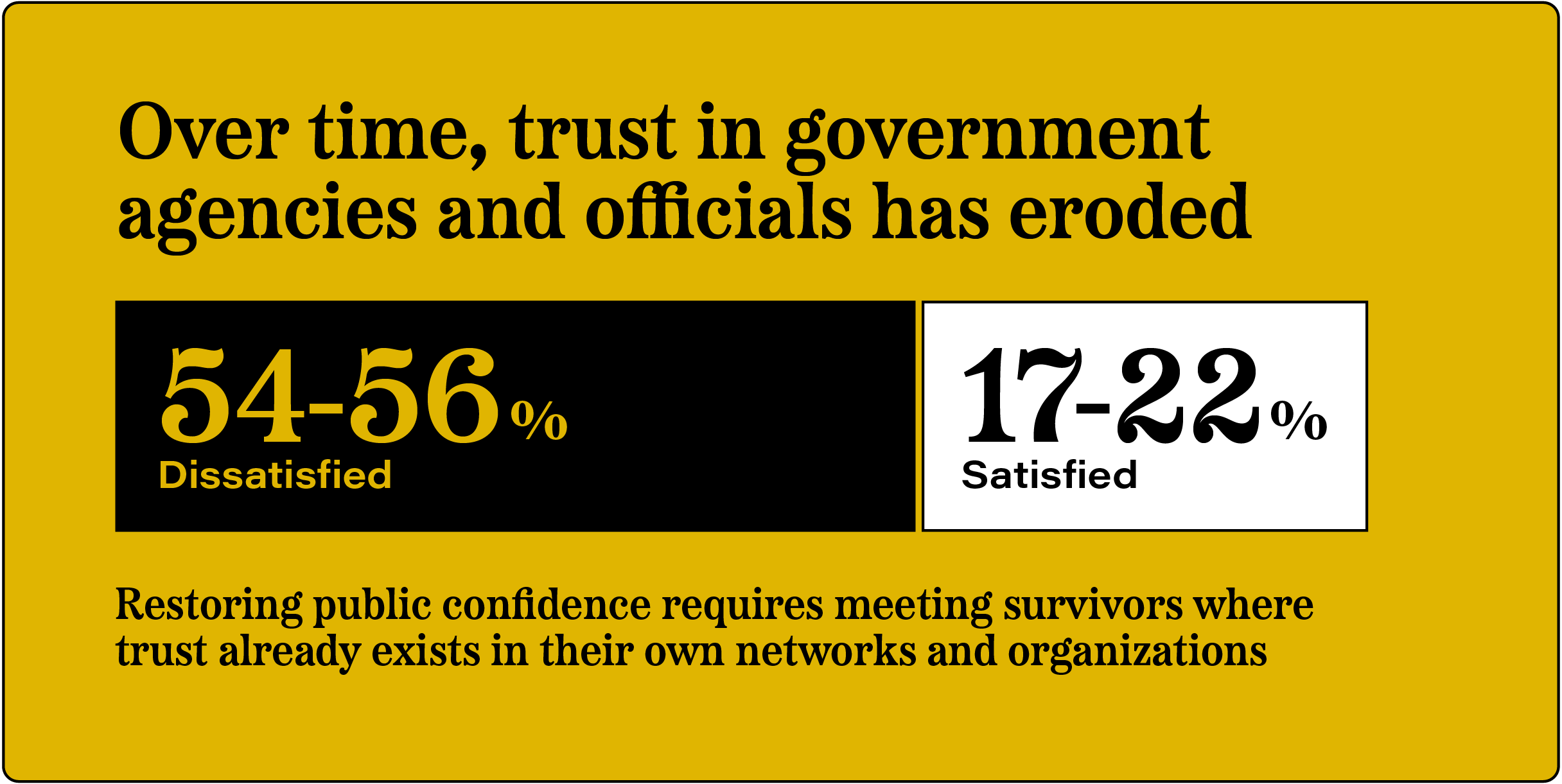
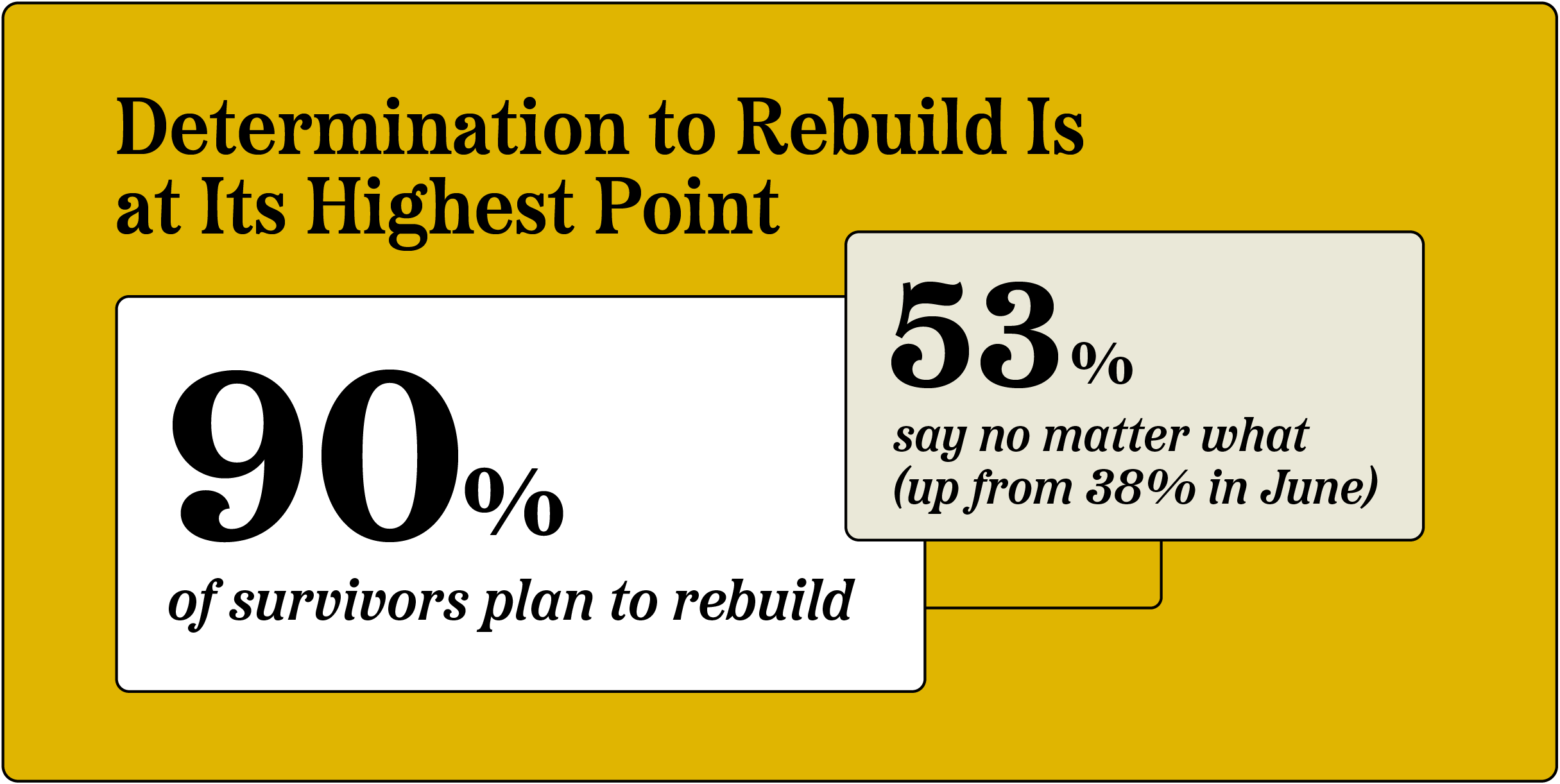
Survivors have told us clearly: don’t assume, ask. That’s why we launched the region’s only statistically significant recovery surveys and paired that data with constant, on-the-ground conversations with community leaders.
Together, this has elevated the voices of more than 8,200 survivors. That listening helped expand mortgage relief eligibility, guide philanthropic investments, and shape how recovery is covered in the media. More importantly, it has identified the commonalities between impacted communities and elevated the experiences of survivors.
2. Connection is key.
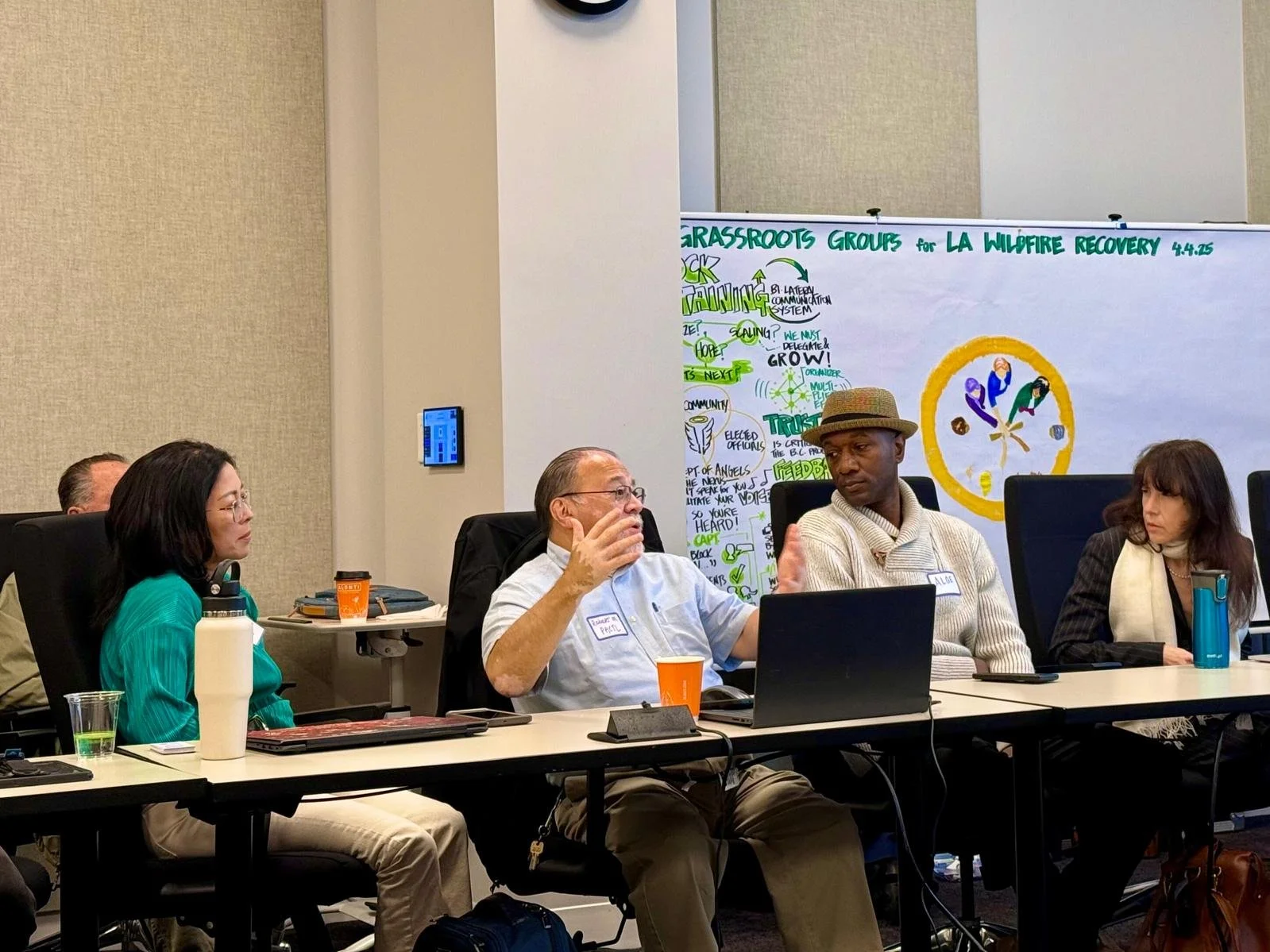
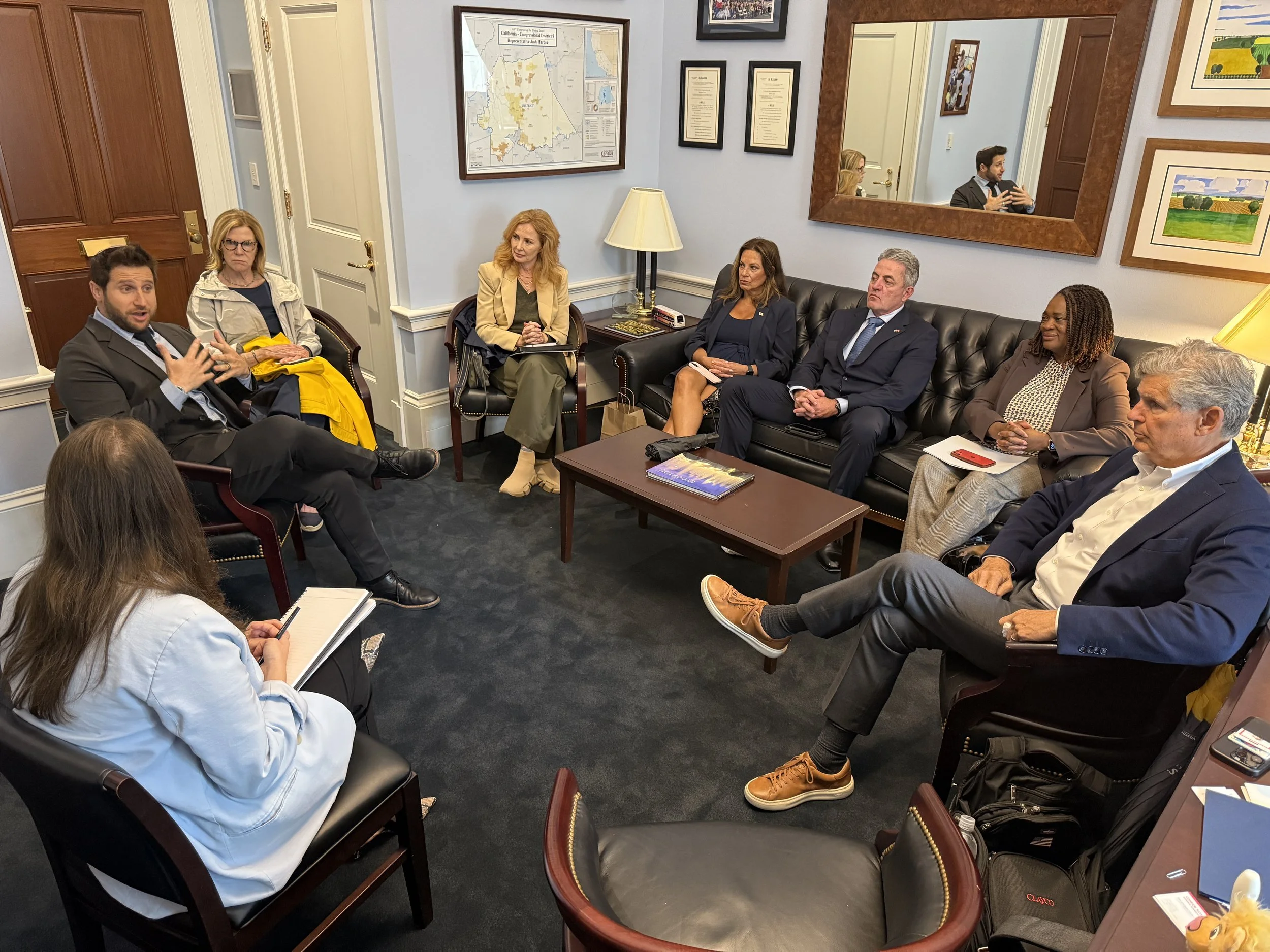
In Los Angeles, no single organization, agency, or leader can do this alone. What survivors have shown us is that recovery depends on who is connected to whom, whether the right people are talking to each other at the right time, and whether trust, coordination, and resources are strong enough to turn ideas into action.
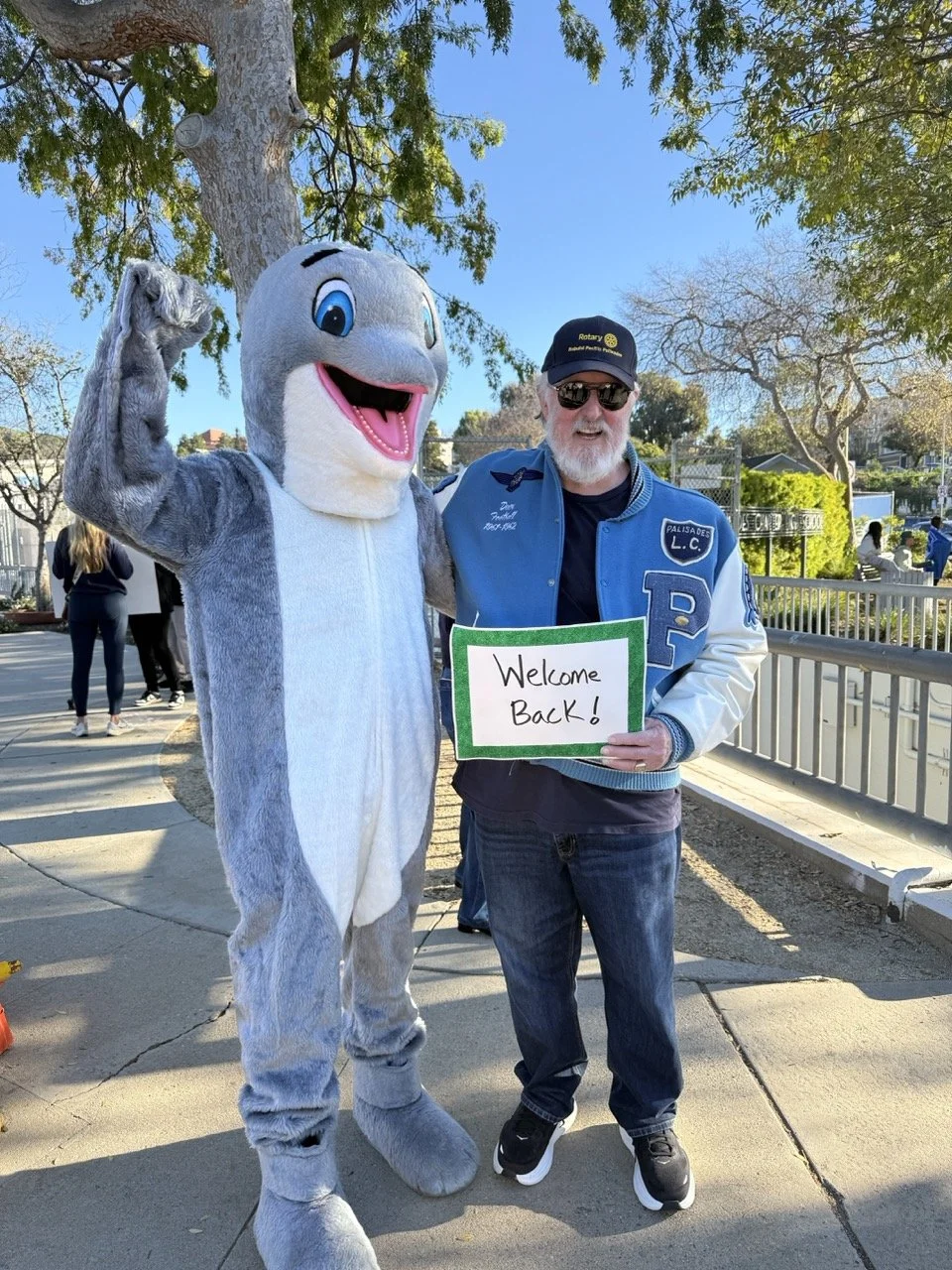
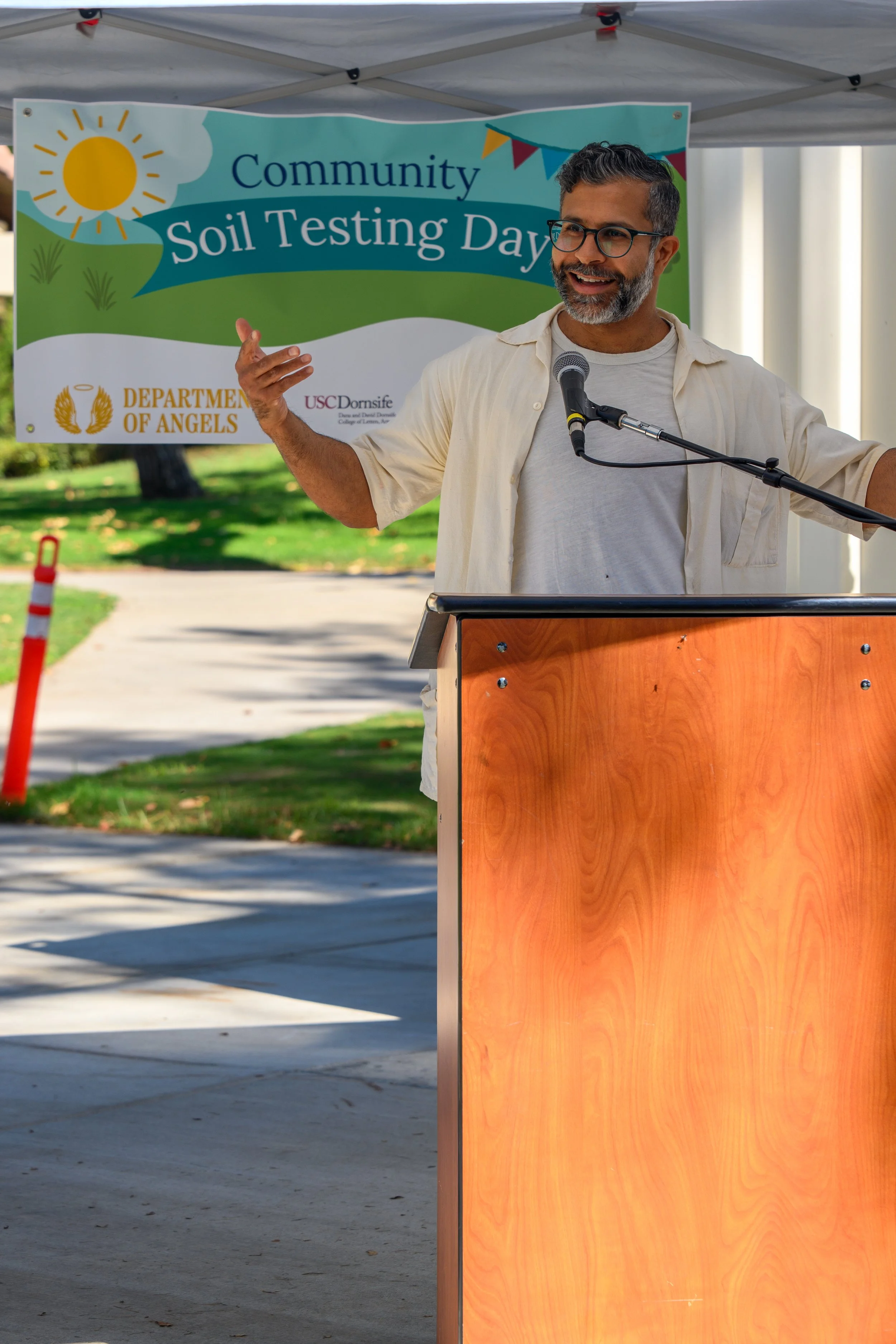
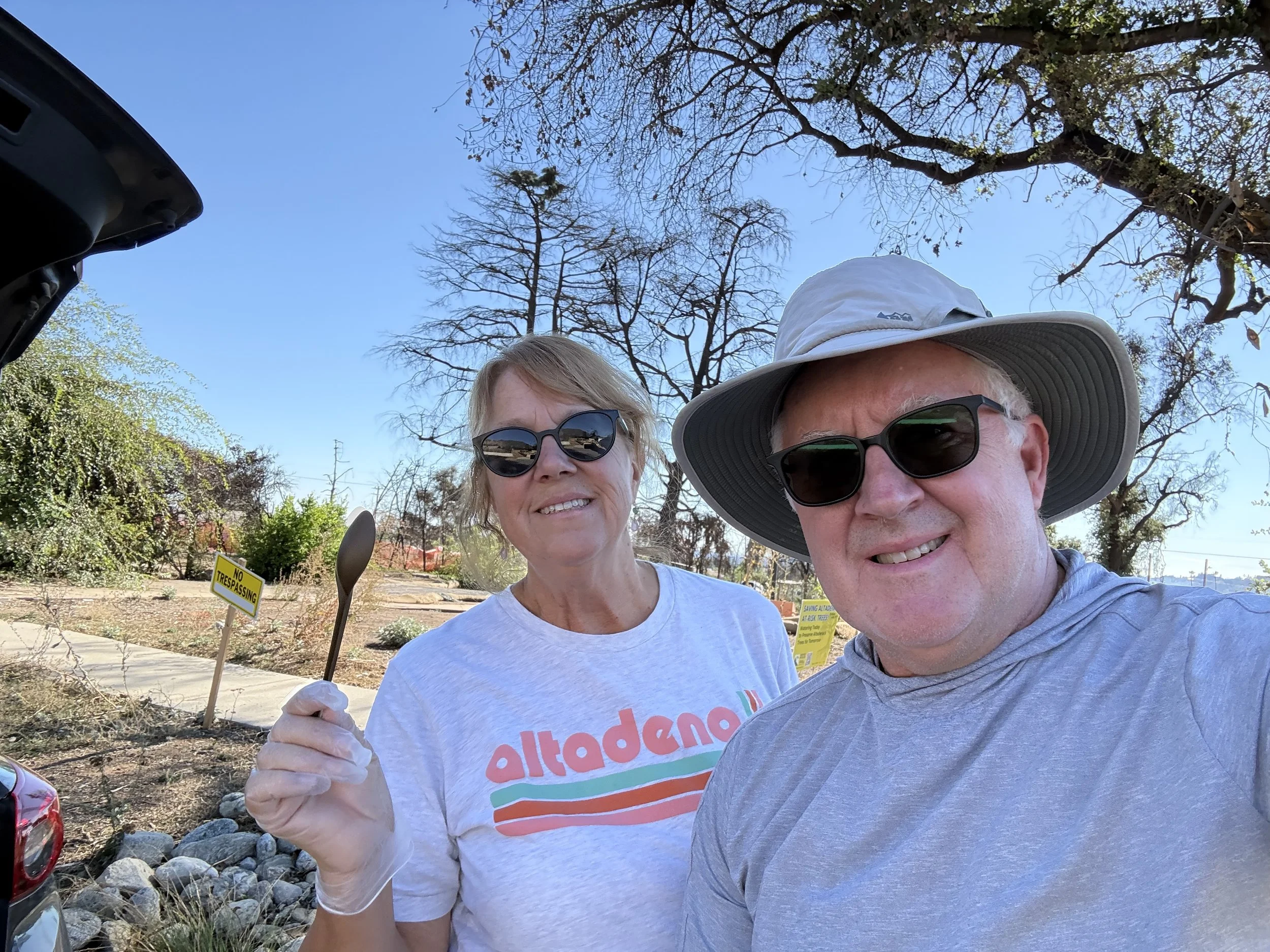
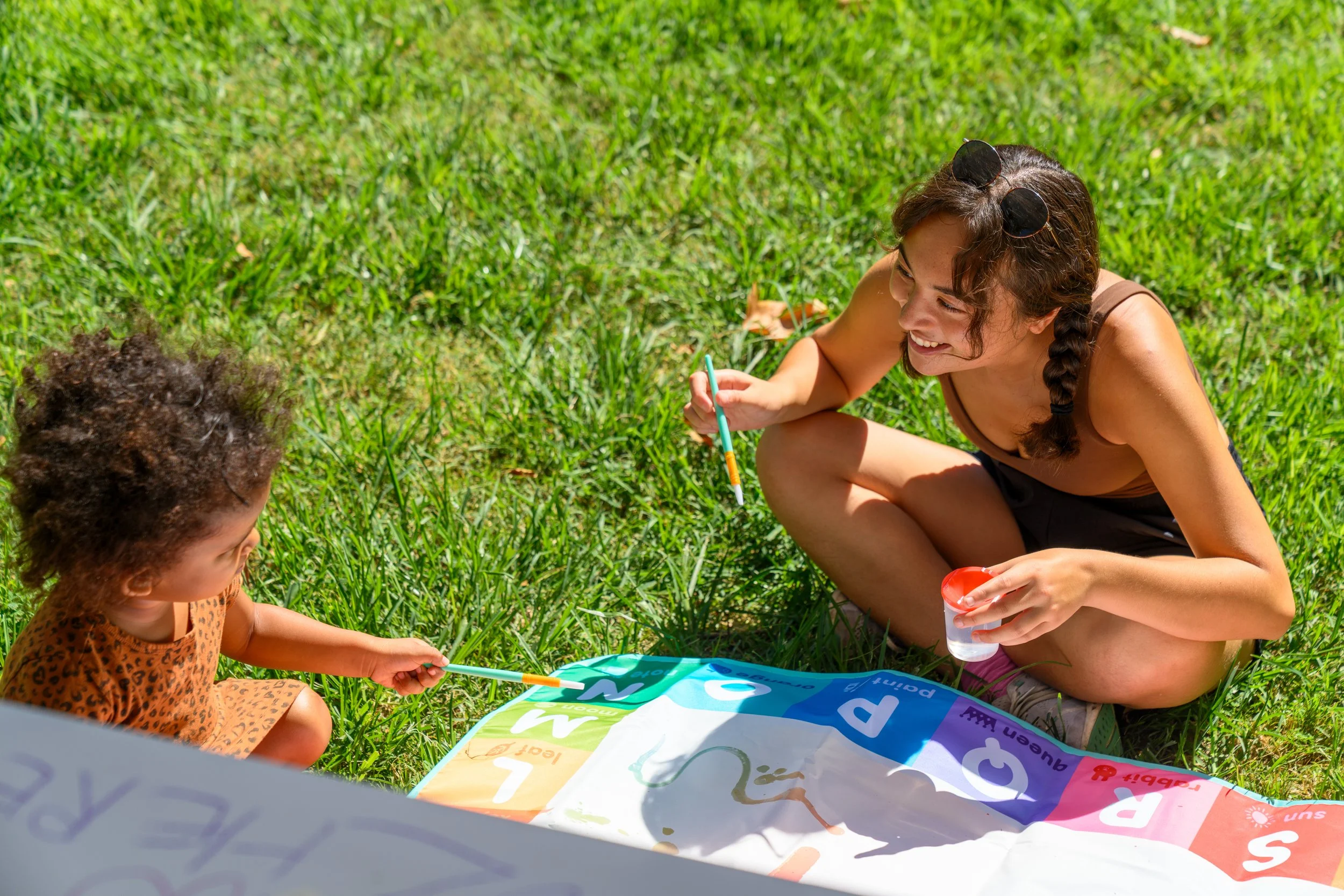
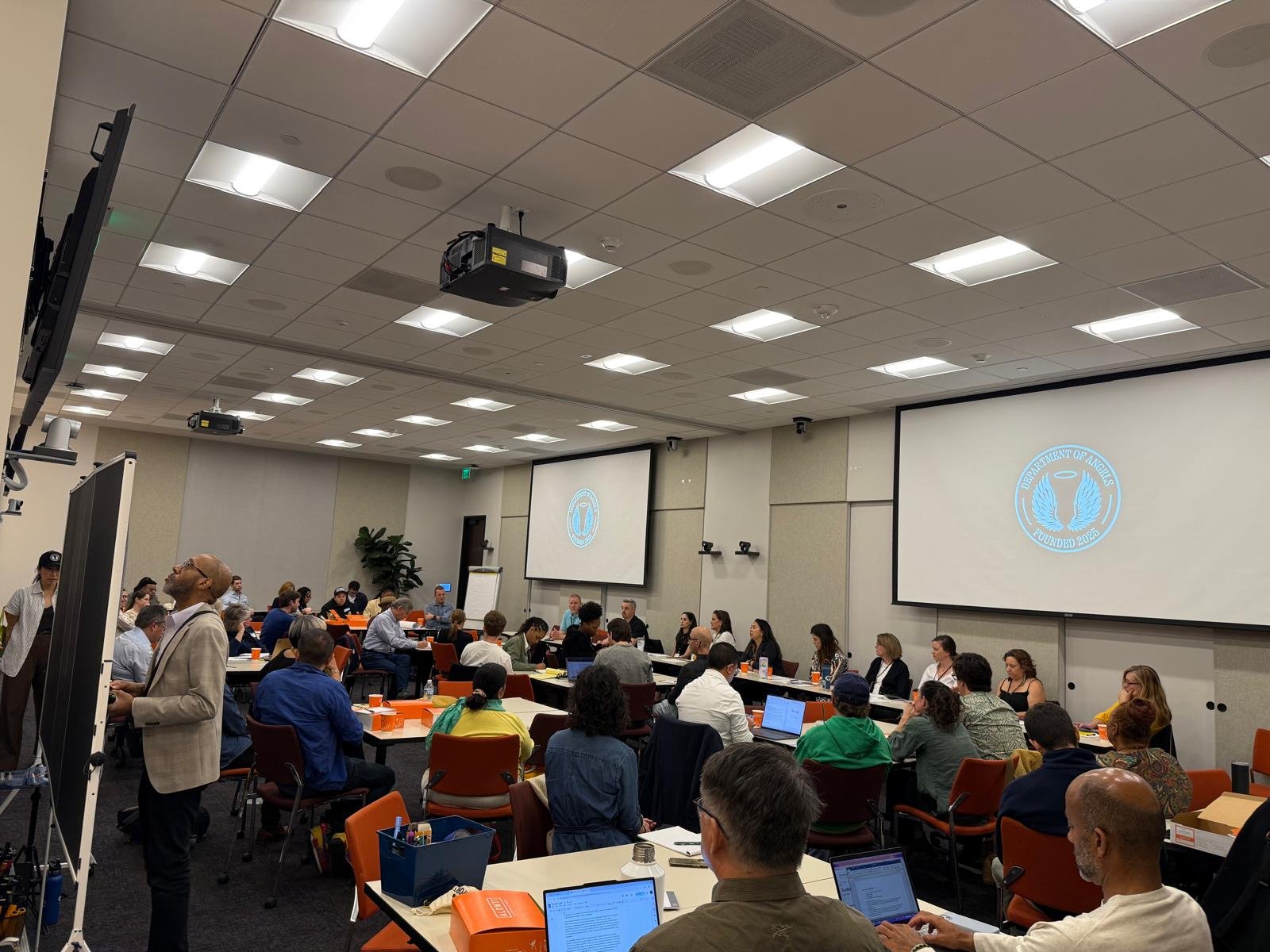
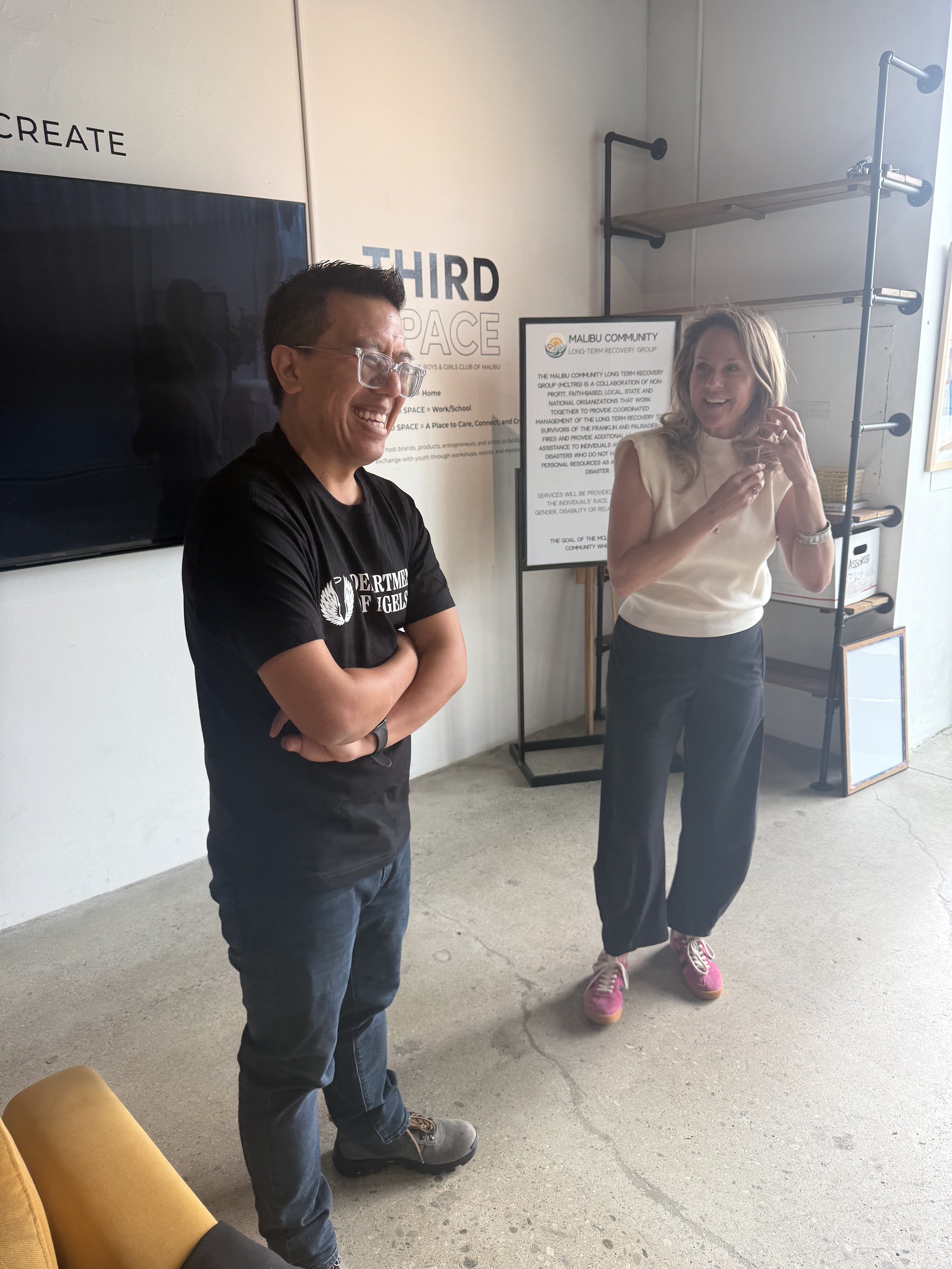
This year, we worked alongside 27 partner organizations, directly funding 13 community-based groups, and helping support block captain programs with more than 300 volunteer leaders. These neighbors helping neighbors now cover large portions of Altadena and the Palisades. Through community meetings, soil testing days, grants, and other events, we’ve also served thousands of survivors directly — stepping in where gaps existed and helping align people with the resources, expertise, or partners needed to move forward.
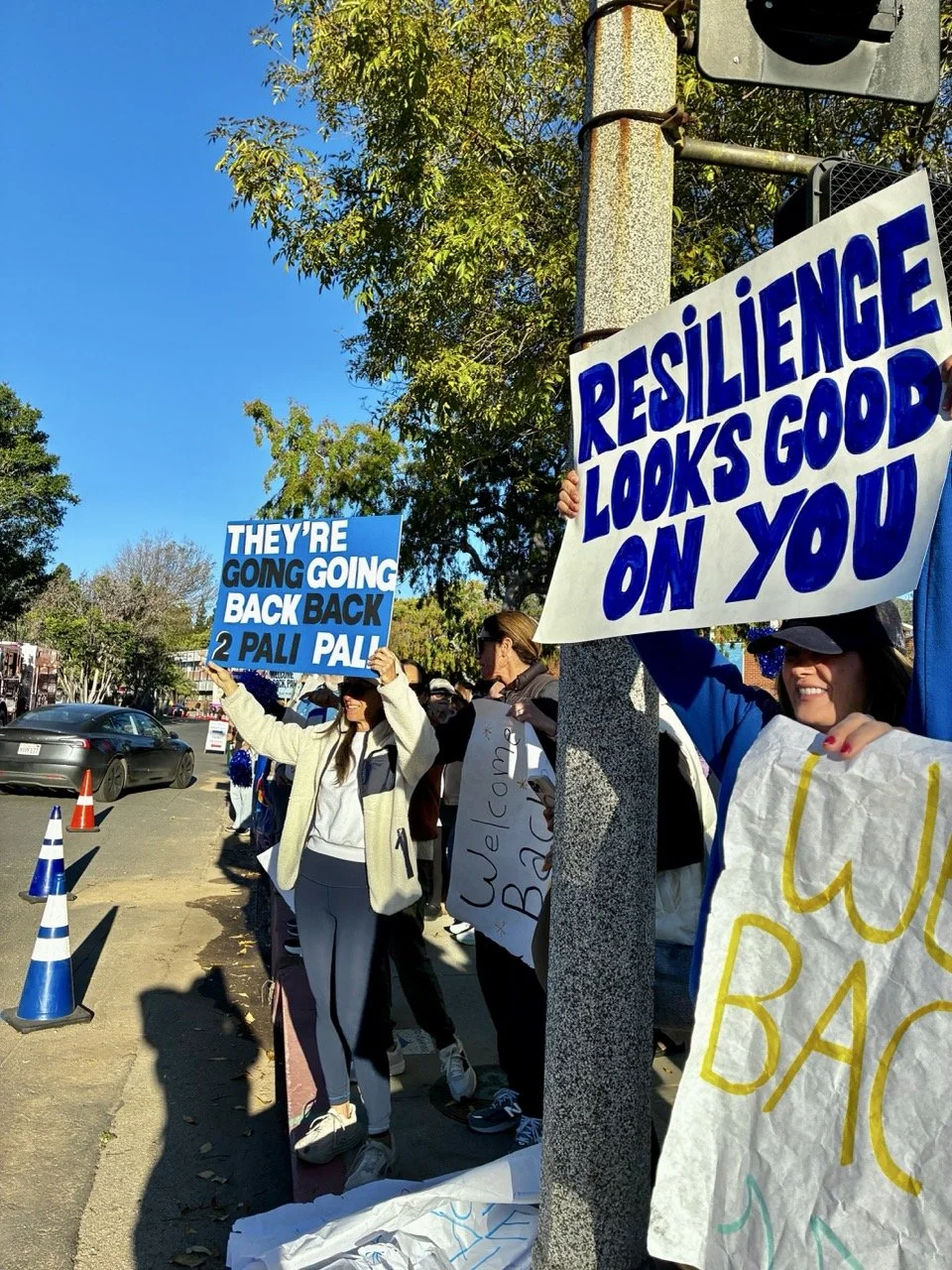
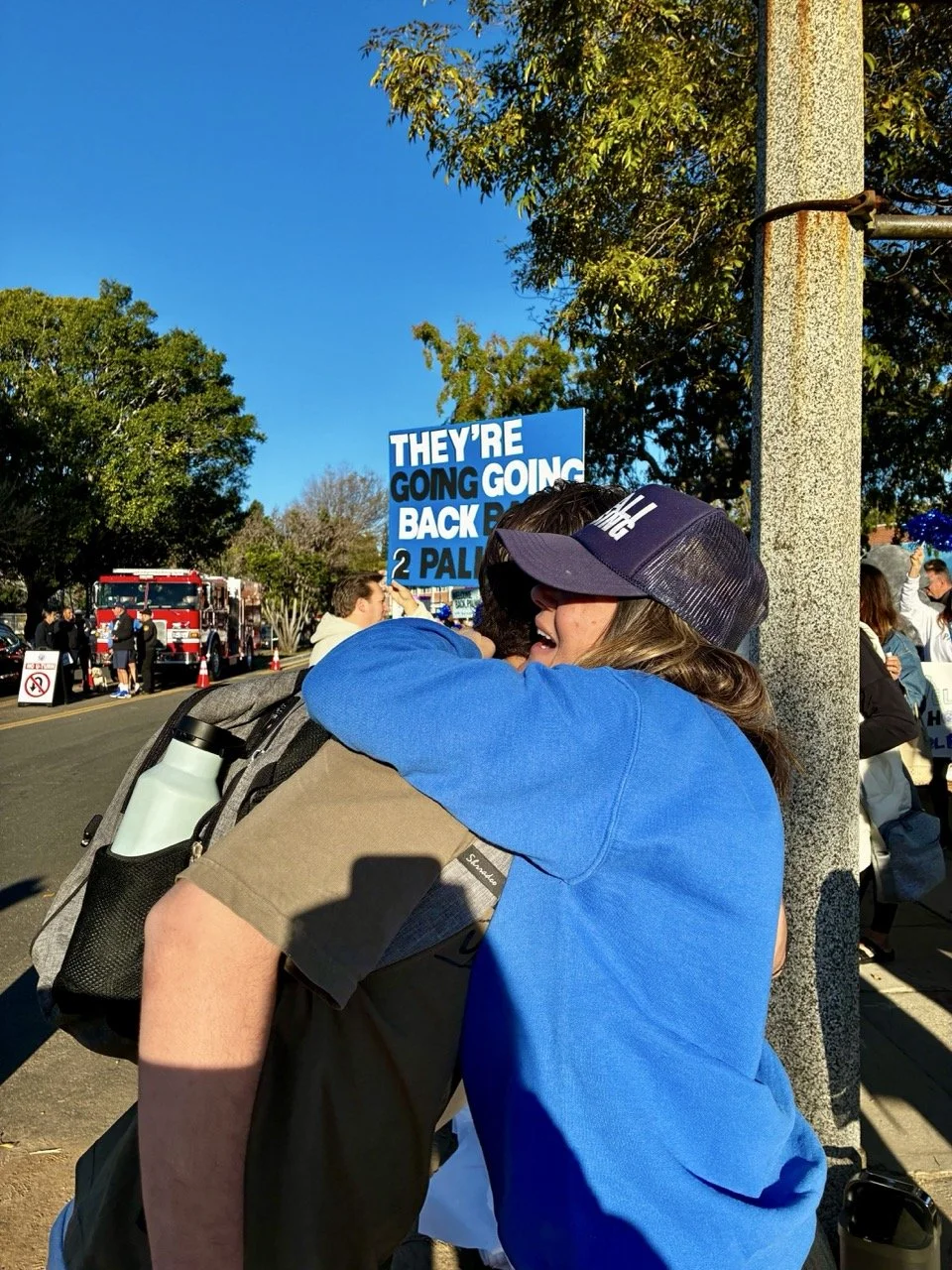
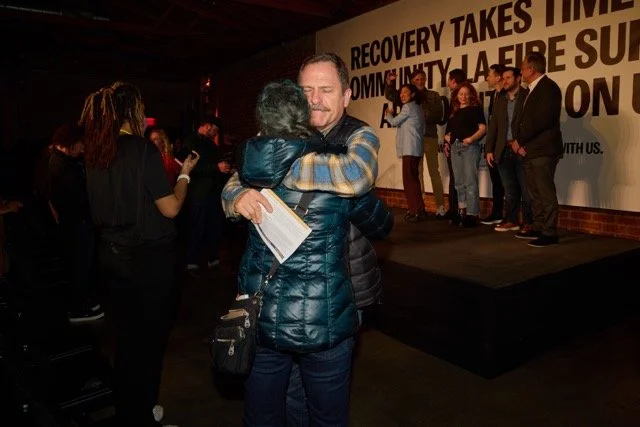

Those same connections helped us unlock $8 million in state funding for housing and environmental health, launch a consortium of scientific, public health, philanthropic, and community partners to advance soil testing and remediation, and bring survivor voices to national attention. They’ve also led us to provide last-mile funding for remediation and repairs for Casa Gateway, an affordable senior housing complex in the Pacific Palisades.
3. Urgency is real — but values are what sustain recovery.
Survivors live with urgency every day. The pressure to meet deadlines, manage high-stakes insurance and housing decisions, and respond to shifting requirements is immense. At the same time, communities have reminded us that lasting recovery requires staying grounded: building long-term strength in local organizations, and pairing immediate relief with structural change.
That grounding has guided our investment in survivor peer support networks and focus on long-term capacity-building for community organizations, alongside pushing for policy solutions around housing, insurance, environmental health, and federal resources. It’s helped ensure survivors aren’t just receiving immediate support, but also shaping the recovery of their own neighborhoods in the longer term.
Looking Ahead
As we enter year two, our commitment is simple: to build bridges, uplift survivor voices, and invest in a more connected, sustainable recovery ecosystem. We are deeply grateful to every survivor, partner, volunteer, and advocate who has shared their time, trust, and stories with us. This first year has shown us what’s possible when we work together. We look forward to continuing this work in the months and years to come.
Learn more about our work and impact at: https://www.deptofangels.org/impact